The advertising landscape in India is undergoing a profound transformation. The stark divide between measurable online advertising and often-unquantifiable offline marketing is closing. Brands tracked digital metrics, but largely estimated offline impact. Thanks to ad-tech innovations, offline advertising is becoming hyper-targeted, dynamic, and fully measurable. At its heart lies automated retail media – a powerful convergence reshaping how brands connect with consumers in physical spaces, where purchase decisions are made. This trend is particularly relevant in India, a market with a vast consumer base, diverse retail, and an insatiable appetite for digital innovation. The future of advertising in India isn't just online; it's intelligent, automated engagement within the physical world.
What are Retail Media Networks (RMNs) and Why They're Booming?
Retail Media Networks (RMNs) are advertising platforms owned by retailers, leveraging first-party data to offer brands targeted ad placements within their ecosystems. Globally, RMNs are skyrocketing. Their appeal: direct access to shoppers at the point of purchase, offering unparalleled contextual relevance. Retailers unlock new revenue by monetizing store real estate and customer data. These networks encompass sponsored e-commerce listings, digital screens in brick-and-mortar stores, checkout displays, and in-aisle activations. RMNs bridge the online-offline divide, using rich customer data to deliver personalized messages, driving higher conversions and stronger brand affinity.
India's Unique Retail Landscape and the RMN Opportunity
India presents fertile ground for retail media and sophisticated offline ad-tech. Our retail sector is vibrant: modern chains, millions of kirana stores, bustling markets, cafes, salons, and gyms. Historically, advertising in these local spaces was fragmented, manual, and difficult to scale. With increasing digitalization, even kiranas adopt digital payments, generating valuable data. This creates an unprecedented opportunity for automated ad-tech platforms to tap into India's vast consumer base. Brands demand precision and proof of impact. The digital-savvy Indian consumer expects personalized experiences in physical stores. This accelerates demand for solutions that orchestrate dynamic ad campaigns across physical touchpoints, offering sophistication previously confined to digital.
The Power of Automation in Offline Ad Delivery
The magic behind effective offline ad-tech lies in automation. Traditional out-of-home (OOH) advertising involves lengthy manual processes – booking slots, printing, physical installation. This limits flexibility, makes real-time adjustments impossible, and creates high barriers for smaller businesses. Automated offline ad delivery platforms transform this. Brands can launch, manage, and optimize campaigns in minutes, not weeks. Imagine selecting specific locations, scheduling ad plays, and changing creatives instantaneously from a dashboard. This automation ensures agile, responsive campaigns scaled effortlessly across thousands of locations. It eliminates human error, reduces operational costs, and democratizes access to powerful channels, enabling MSMEs to compete effectively by reaching their exact target audience. This shift from static, manual OOH to dynamic, automated digital screens is a game-changer for Indian advertising.
Data-Driven Insights: Measuring the Immeasurable Offline
One of ad-tech's most significant advancements is bringing robust metrics to offline advertising, mirroring online campaign accountability. For too long, marketers relied on proxy metrics or anecdotal evidence for offline spend. Today, advanced offline ad-tech platforms provide comprehensive data: ad plays, screen views, engagement rates (e.g., QR scans), and even cost-per-acquisition (CPA) or cost-per-impression (CPI). This is achieved through integrated sensors, smart screen technology, and unique interaction mechanisms. By collecting and analyzing granular data, brands gain unprecedented insights into audience behavior, campaign performance, and ROI. This data-driven approach allows continuous optimization, enabling brands to refine targeting, test creatives, and allocate budgets more effectively, ensuring maximum impact. 'Spray and pray' offline marketing is fading, replaced by intelligent, data-backed strategies.
Engaging Consumers in Physical Spaces: Beyond the Static Billboard
Modern ad-tech doesn't just deliver ads; it fosters engagement. The static billboard is augmented by dynamic, interactive digital screens offering richer brand experiences. With consumers prone to ad fatigue, capturing attention in physical spaces requires innovation. Automated offline platforms integrate features like QR code scans, gamified experiences (e.g., spin-to-win contests), instant coupons, and loyalty program integrations directly into ad content. These interactive elements transform passive viewing into active participation, creating memorable brand interactions and driving immediate actions like store visits or purchases. This shifts advertising from interruption to a value-added experience, generating goodwill and stronger connections. In India, where consumers appreciate value and interaction, this approach is exceptionally effective in converting eyeballs into engagement.
The Future is Automated, Measurable, and Hyperlocal
The trajectory of advertising in India points towards a future where online and offline blur, driven by sophisticated ad-tech. This future is inherently automated, allowing brands to manage complex campaigns with ease and agility. It is profoundly measurable, providing data insights for strategic decision-making and optimal budget allocation. Crucially, it is hyperlocal, enabling brands to connect with specific communities and demographics in their immediate physical environments. This evolution empowers businesses of all sizes, from national brands seeking precise geographic targeting to local MSMEs aiming for neighborhood market share. Siloed marketing strategies are numbered; the integrated, data-driven, and automated approach to advertising, especially in physical spaces, is not just a trend but the new standard for effective brand communication in India.
As India's retail and advertising landscape continues to evolve, platforms like Adsmunch are at the forefront of this transformative journey. For businesses looking to advertise inside real physical commercial spaces across India, Adsmunch offers an innovative, automated hyperlocal offline advertising platform. Brands can launch their ad campaigns in a mere 10-15 minutes via a user-friendly app or dashboard, placing their ads on digital screens in local shops, cafes, gyms, and salons nationwide. What sets Adsmunch apart is its commitment to making offline advertising fully measurable, providing comprehensive metrics akin to online ads – including plays, scans, CPA, CPI, and CPM. This ensures transparency and empowers brands with actionable data to optimize their spending. Critically, Adsmunch’s ecosystem leverages advanced automation and data analytics to deliver campaigns efficiently and effectively, ensuring dynamic ad delivery and smart pricing models without relying on AI for ad targeting. Furthermore, by offering consumers engaging rewards like QR scan games and coupons, Adsmunch transforms ads into interactive experiences, combating ad fatigue and fostering genuine engagement. It’s an affordable, 100% Indian platform built to empower Indian businesses to achieve measurable local reach and drive impactful results in the new era of automated offline ad-tech.
Back to All Blogs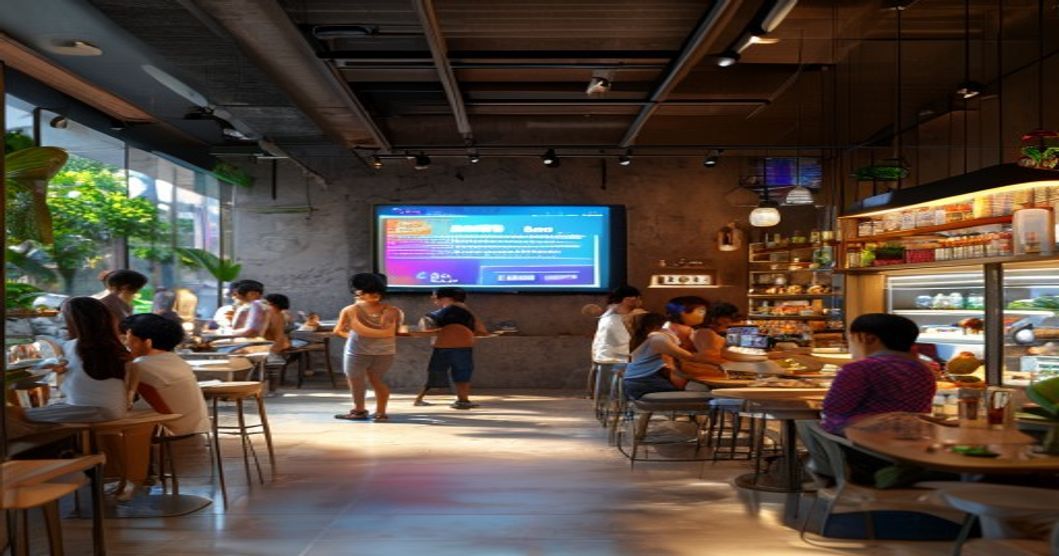
Automated Retail Media: India's Next Frontier in Offline Ad-Tech
Published by Adsmunch AI
Evolution of Offline Advertising: Traditional OOH vs. Automated Ad-Tech
| Feature | Traditional Out-of-Home (OOH) | Automated Offline Ad-Tech |
|---|---|---|
| Campaign Launch Time | Weeks to Months (manual booking, printing) | Minutes to Hours (digital dashboard/app) |
| Flexibility & Updates | Static, difficult to change mid-campaign | Dynamic, real-time creative changes & scheduling |
| Targeting Precision | Broad geographic targeting | Hyperlocal, precise location-based targeting |
| Measurability | Proxy metrics (reach, impressions estimate) | Full metrics (plays, scans, CPA, CPI, CPM) |
| Consumer Engagement | Passive viewing | Interactive (QR scans, games, coupons) |
| Affordability/Accessibility | High entry cost, complex for MSMEs | Cost-effective, accessible for businesses of all sizes |