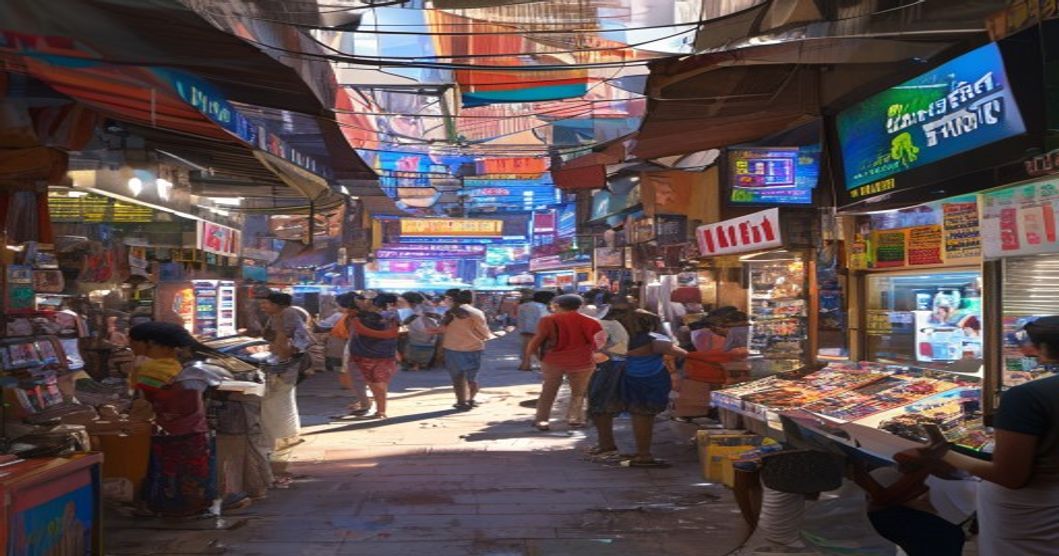
India's dynamic market is a mosaic of diverse cultures, languages, and consumer preferences. For businesses, from burgeoning startups to established enterprises, truly connecting with the 'Bharat' consumer often means understanding and excelling in the hyperlocal domain. As we navigate 2026, the buzz around hyperlocal strategies isn't just about reaching local customers; it's about doing so effectively, efficiently, and, most importantly, measurably.
The past few years have underscored the resilience and significance of local economies. The 'Vocal for Local' movement has gained significant traction, fostering a renewed appreciation for local businesses and products. Concurrently, the rise of Direct-to-Consumer (D2C) brands, initially internet-native, are increasingly looking beyond metropolitan hubs, seeking physical touchpoints and localized strategies to build trust and expand their footprint into Tier 2 and Tier 3 cities. This convergence makes mastering hyperlocal marketing not just an option, but a strategic imperative.
The Hyperlocal Imperative: Why Local Reach Matters More Than Ever
Consumers today live in an 'always-on, always-local' mindset. While online research and digital discovery remain crucial, the final purchase decision, especially for daily needs, services, or experiential products, often happens within a short radius of their home or workplace. They seek convenience, authenticity, and personalized experiences that only a deep understanding of local nuances can provide.
Consider the post-pandemic landscape: there's a clear resurgence in foot traffic to physical stores, cafes, gyms, and salons. People crave tangible experiences, but they also expect the same level of information, efficiency, and engagement they get online. This creates a fertile ground for businesses that can seamlessly blend online discoverability with compelling offline presence.
The Blind Spot of Traditional Offline Advertising
For decades, offline advertising – billboards, print ads, local radio, pamphlets – has been a cornerstone of local marketing. However, its primary challenge has always been the lack of clear, actionable metrics. How many people saw that billboard? Did that newspaper ad actually drive footfall? What was the real return on investment? Without these answers, businesses often operate in the dark, making budgeting and strategy development a guessing game. This ambiguity leads to significant ad spend wastage and makes optimization nearly impossible. The passive nature of many traditional offline ads also means limited consumer engagement, often leading to ad fatigue rather than excitement.
Bridging the Gap: The Evolving O2O (Online-to-Offline) Landscape
The modern consumer journey is rarely linear. It's an intricate dance between digital touchpoints and physical interactions. A customer might discover a new cafe through an Instagram ad, check its reviews on Google Maps, and then visit it in person. This Online-to-Offline (O2O) journey is where brands can truly shine by creating consistent, engaging experiences across all channels. However, the crucial missing link has often been the ability to measure the impact of offline efforts with the same precision as online campaigns.
To truly bridge this gap, businesses need more than just a presence; they need intelligent, data-driven offline strategies that provide measurable insights, allowing for continuous improvement and optimized ad spend.
Modern Hyperlocal Strategies for Indian Brands: Beyond Just Presence
For brands to not just exist but thrive in India's hyperlocal landscape, a multi-pronged, measurable approach is essential:
- Local SEO and Google Business Profile (GBP) Optimisation: This remains foundational. Ensuring your business appears prominently in local search results, with accurate information, glowing reviews, and engaging posts, is non-negotiable.
- Community Engagement & Events: Sponsoring local events, collaborating with local influencers, or hosting workshops can build genuine community goodwill and brand loyalty.
- Personalised Local Offers & Experiences: Tailoring promotions and experiences to specific local demographics or cultural nuances can significantly boost engagement and conversion.
- Leveraging Hyperlocal Delivery & Services: Partnering with local delivery platforms or offering hyper-convenient services (e.g., quick pickup, home visits) caters directly to the local preference for speed and ease.
- The Critical Role of Measurable Offline Advertising: This is where the game truly changes. Moving beyond passive billboards to active, engaging, and measurable offline ad formats allows brands to understand their local impact. Imagine ads on digital screens in local shops, cafes, or salons, where you can track plays, engagement (via QR scans), and even conversions. This transforms offline advertising from a 'spray and pray' approach to a targeted, performance-driven channel.
Data-Driven Decisions for Unprecedented Local Reach
The future of hyperlocal marketing in India is intrinsically linked to automation and data analytics. Brands that can leverage insights from consumer behavior, footfall patterns, and engagement metrics will be the ones to successfully capture local market share. This means moving away from assumptions and towards actionable data that informs every advertising decision, from creative design to placement strategy.
The ability to track metrics like plays, scans, cost-per-acquisition (CPA), cost-per-impression (CPI), and cost-per-mille (CPM) for offline ads empowers businesses to optimize their campaigns in real-time, much like they would for digital ads. This level of transparency and control is what brands need to ensure their marketing budgets are working harder and smarter in the local context.
Conclusion: The Future is Measurable and Hyperlocal
India's hyperlocal market is ripe with opportunity for brands willing to innovate and embrace new strategies. The era of guesswork in offline advertising is rapidly fading, replaced by a demand for precision, engagement, and measurable outcomes. As consumers increasingly blend their online and offline worlds, businesses must adopt integrated approaches that not only reach them where they are but also provide tangible insights into campaign performance.
For businesses looking to advertise inside real physical commercial spaces and gain full metrics like their online campaigns, platforms that leverage automation and data analytics are proving to be indispensable. As India's market evolves, embracing such innovative solutions will be key to unlocking unprecedented local reach and building lasting connections with the Bharat consumer. The future of offline advertising is here, and it's intelligent, measurable, and highly engaging.