The Indian business landscape is in constant flux, a dynamic ecosystem where innovation often springs from addressing fundamental needs. Today, January 8th, 2026, marks a pivotal moment as the spotlight increasingly shines on the untapped potential of hyperlocal offline advertising. While the digital realm has long dominated marketing conversations, a powerful resurgence of physical spaces as advertising hubs is underway, driven by sophisticated automation and a deep understanding of consumer behaviour.
For years, brands have poured significant resources into digital campaigns, chasing clicks and impressions with varying degrees of success. However, a segment of the market has remained notoriously difficult to measure and optimize: the physical world. Think about the local kirana store, the neighbourhood salon, the bustling café down the street, or the neighbourhood gym. These are places where real people make real purchasing decisions every single day. Yet, advertising within these spaces has often been a guessing game, a leap of faith rather than a data-backed strategy.
The Shift from Blind Spending to Measurable ImpactThis is where the revolution in hyperlocal offline advertising truly begins. The old model was characterized by uncertainty. A brand might pay for a poster in a shop, but how many people actually saw it? Did it lead to a purchase? The answers were often elusive, leading to what many considered 'blind spending.' This lack of transparency and measurability hindered brands from understanding their true return on investment.
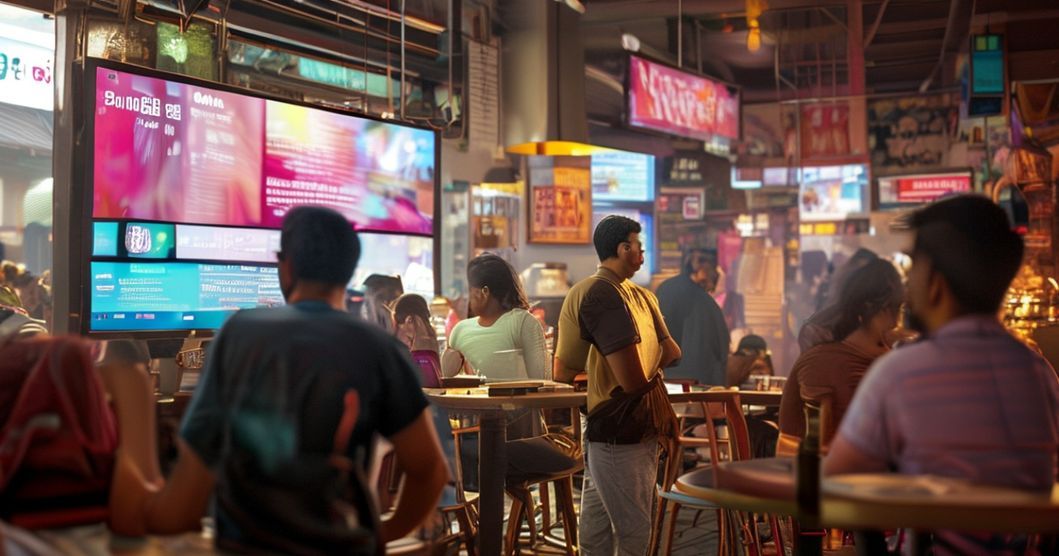
However, the advent of advanced automation platforms is changing this narrative dramatically. These platforms are transforming static, offline spaces into dynamic, measurable advertising channels. Imagine digital screens installed in high-footfall commercial spaces. These screens are not just displaying generic content; they are meticulously managed through automated systems that track ad plays, consumer engagement (through QR code scans, for example), and even correlate these interactions with sales data.
The Power of Physical Presence and Targeted ReachThe inherent advantage of hyperlocal offline advertising lies in its ability to reach consumers at the moment of influence. When a consumer is inside a shop, ready to make a purchase, or at a gym, focused on their wellness, an advertisement displayed within that environment has a unique power. It's contextually relevant and can significantly impact their decision-making process.
Consider a new snack brand wanting to target young professionals. Instead of relying solely on broad digital banners, they can now place targeted ads on digital screens in popular cafes and co-working spaces frequented by this demographic. The ads can be scheduled to play during peak hours, and with the help of automated tracking, the brand can see exactly how many times their ad was displayed, how many consumers interacted with it via a QR code offering a discount, and potentially, how many of those interactions led to a purchase. This level of insight was previously unattainable in the offline world.
Empowering Local Businesses and ConsumersThis revolution is a three-pronged win. For brands, it offers transparent, performance-driven campaigns with real-time data. They can optimize their ad spend, understand what works, and achieve measurable results like Cost Per Acquisition (CPA) and Cost Per Impression (CPI). This moves offline advertising from a cost centre to a revenue driver.
For shop owners, these digital screens offer a new avenue for passive income. By allowing brands to advertise on their premises, they can monetize their existing footfall and space without any operational burden. This creates a symbiotic relationship where businesses that attract consumers can also benefit financially from brands wanting to reach those consumers.
And what about the consumers? They are not just passive viewers. Through engaging ad formats, consumers can be rewarded for their attention. This could be in the form of discounts, loyalty points, or exclusive offers, turning a potentially intrusive ad experience into a rewarding interaction. This fosters a more positive brand perception and encourages deeper engagement.
Navigating the Future: Automation, Not Just AIIt's crucial to understand that this transformative power comes from sophisticated automation and data analytics, not necessarily artificial intelligence for ad delivery itself. The key is the systematic management of ad placements, scheduling, tracking, and reporting, all streamlined through intelligent software. This allows for precise targeting, efficient campaign execution, and robust performance measurement, bringing a digital-level of sophistication to the physical advertising world.
As India's startup ecosystem continues its rapid growth, the demand for effective, measurable marketing solutions will only intensify. Brands are increasingly looking for ways to connect with consumers in authentic, impactful ways, and the hyperlocal offline space offers a fertile ground. The ability to advertise directly within the physical environments where consumers live, work, and play, coupled with the transparency and measurability provided by modern platforms, is redefining the advertising landscape. For businesses looking to advertise, exploring these automated hyperlocal offline advertising solutions presents a compelling opportunity to achieve greater reach, engagement, and a tangible return on investment, making every physical touchpoint a measurable marketing success story.