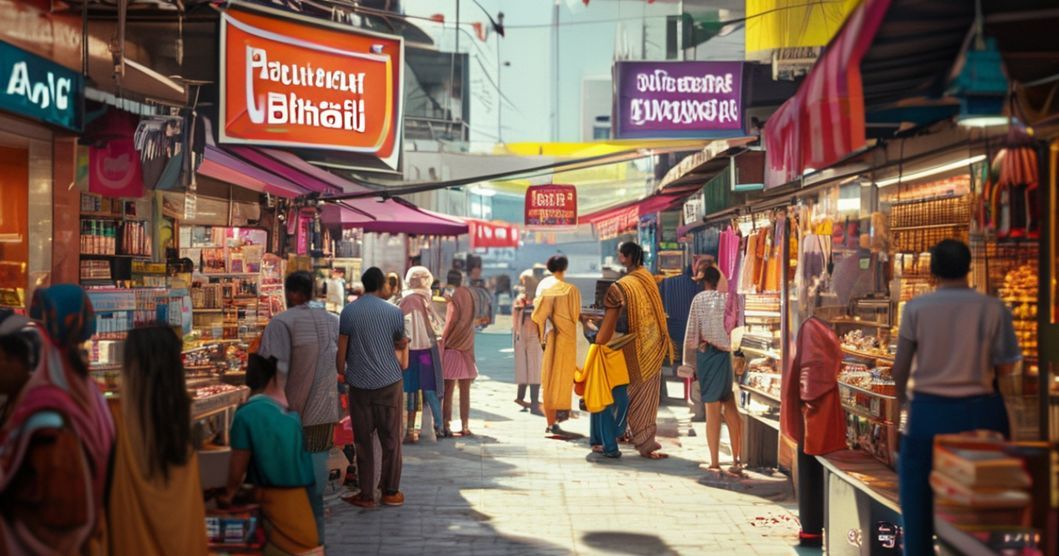
Today, 14 January 2026, the air is thick with anticipation and entrepreneurial buzz across India. The government's much-anticipated 'Hyperlocal Bharat Initiative' (HBI), a visionary progression from the 'Vocal for Local' movement, has officially been unveiled, setting a new trajectory for small and medium enterprises (SMEs) and local businesses. This policy push, aimed at fostering grassroots economic growth, couldn't come at a more opportune moment, coinciding with a fascinating parallel trend: the aggressive offline expansion of Direct-to-Consumer (D2C) brands. Once primarily online entities, these brands are now strategically investing in physical spaces and community engagement, creating a powerful synergy that is reshaping India’s local commerce landscape.
This convergence of national policy and market evolution signifies a profound shift. It underscores an undeniable truth: despite our increasingly digital lives, the physical, local connection remains paramount. The 'Hyperlocal Bharat Initiative' is poised to be a game-changer, while D2C brands are demonstrating that true brand building and sustained growth often require a tangible presence within local communities.
The 'Hyperlocal Bharat Initiative': A Catalyst for Local EmpowermentThe 'Hyperlocal Bharat Initiative' isn't just another scheme; it’s a comprehensive framework designed to empower the backbone of India's economy – its local businesses and MSMEs. Building on the foundational success of 'Vocal for Local', HBI focuses on several critical pillars:
Digitization Support: Providing accessible tools and training for local businesses to embrace digital payment systems, e-commerce platforms, and online presence management.
Enhanced Credit Access: Streamlining processes and offering incentives for financial institutions to provide easier and more affordable credit to small enterprises, particularly in Tier 2 and Tier 3 cities.
Local Infrastructure Development: Investing in upgrading local markets, improving logistics networks for intra-city movement, and creating shared commercial spaces for emerging businesses.
Skill Development & Mentorship: Offering programs to upskill local entrepreneurs in modern business practices, marketing, and customer service.
Market Linkages: Facilitating connections between local producers and larger markets, while also promoting local procurement by larger corporations.
The impact of HBI is expected to be transformative. It aims to boost local employment, foster self-reliance at the community level, and significantly enhance the competitive edge of MSMEs against larger players. By focusing on the 'Bharat' beyond metropolitan hubs, the initiative promises to unlock immense economic potential in underserved regions, turning local aspiration into national prosperity.
D2C's New Frontier: The Offline ImperativeFor years, D2C brands carved their niche by bypassing traditional retail channels, leveraging e-commerce and digital marketing to connect directly with consumers. However, a growing trend reveals a strategic pivot: D2C brands are increasingly recognizing the limitations of a purely online model and are making significant inroads into the physical world.
Why the shift? The reasons are multifaceted:
Brand Building and Trust: A physical presence allows for tactile experiences, crucial for products like apparel, beauty, or home goods. It builds trust and authenticity that digital interactions sometimes lack.
Deeper Customer Connection: Pop-up stores, experience centers, and shop-in-shops offer opportunities for direct interaction, gathering real-time feedback, and fostering a sense of community around the brand.
Reduced Reliance on Digital Ads: With rising online advertising costs and increasing competition, an offline presence can diversify customer acquisition channels and create more sustainable growth.
* Market Penetration: Reaching new customer segments, especially those who prefer traditional shopping experiences or are less active online, becomes possible.
Brands are experimenting with innovative offline formats – from curated pop-ups in bustling commercial hubs to permanent experience stores in high-footfall areas. They are collaborating with local cafes, gyms, and salons for product showcases and engaging in community events. This isn't just about selling; it's about establishing a 'local brand home' where customers can engage with the brand's ethos and products in a tangible way.
The Powerful Synergy: Where Policy Meets Market RealityThe convergence of the 'Hyperlocal Bharat Initiative' and the D2C offline surge creates a powerful synergy. HBI lays the groundwork by providing the necessary support, infrastructure, and a conducive environment for local businesses to thrive. This fertile ground makes it significantly easier and more cost-effective for D2C brands to establish their physical presence and integrate into local communities.
Conversely, the D2C brands' investment in offline spaces further validates the HBI's emphasis on local commerce. Their innovative approaches to customer engagement and community building offer valuable lessons and inspiration for traditional MSMEs. This creates a virtuous cycle where policy empowers local businesses, and market trends reinforce the importance of local presence, ultimately leading to robust economic activity and stronger community ties.
Why Hyperlocal Marketing is the New Gold StandardIn this evolving landscape, generic, broad-stroke marketing strategies simply won't cut it. Both traditional local businesses and expanding D2C brands are realizing that the future of effective customer engagement lies in understanding and catering to the 'local' consumer. This is where hyperlocal marketing becomes the new gold standard.
Consumers today are looking for authenticity, convenience, and a sense of belonging. Hyperlocal marketing enables businesses to reach precise audiences within specific geographical areas, delivering highly relevant messages and promotions. The benefits are clear: higher conversion rates due to targeted messaging, stronger community ties forged through local presence, more efficient ad spend by minimizing waste, and the ability to create truly personalized experiences.
Whether it's a local bakery using digital screens in nearby cafes to promote daily specials or a D2C apparel brand launching a pop-up and advertising it exclusively to the surrounding residential communities, the power of proximity is undeniable. It's about being where your customers are, both physically and digitally.
Navigating the Hyperlocal Highway: Opportunities and Smart MovesFor businesses of all sizes, this dual trend presents immense opportunities. MSMEs must seize the support offered by HBI, embrace digital tools, and focus on leveraging their unique local offerings and community connections. For D2C brands, strategic selection of physical locations, seamless integration of online-offline customer journeys, and prioritizing genuine community engagement will be crucial for success. In both cases, the ability to implement measurable, data-driven offline marketing strategies will be key.
The excitement around India's 'Hyperlocal Bharat Initiative' and the bold offline moves by D2C brands signal a pivotal moment for commerce in the country. The future is undeniably hyperlocal, driven by a deep understanding of local communities and the strategic fusion of physical and digital presence.
For businesses looking to capitalize on this hyperlocal boom, especially those keen on transforming their offline presence from mere visibility to measurable impact, platforms like Adsmunch are proving indispensable. Adsmunch, as India’s first AUTOMATED hyperlocal offline advertising platform, empowers brands to run performance-driven campaigns inside real physical commercial spaces. By leveraging digital screens in shops, cafes, gyms, and salons, Adsmunch provides transparent, data-analytics-driven results – tracking plays, scans, CPA, CPI, and CPM. It's a testament to how automation and precise analytics, rather than blind spending, can make offline advertising truly effective and measurable, ensuring local businesses and expanding brands can genuinely connect with their local communities and drive growth in this exciting new era.