As the calendar turns to January 2026, India's financial landscape continues its dramatic digital transformation. The latest reports are in, and they paint a vivid picture of a nation embracing digital payments with unprecedented zeal. The Unified Payments Interface (UPI) has once again shattered its previous records, processing an astounding number of transactions in the first week of the year. This surge is not just a statistic; it's a testament to the deep integration of digital finance into the daily lives of Indians, from metropolitan hubs to the smallest villages.
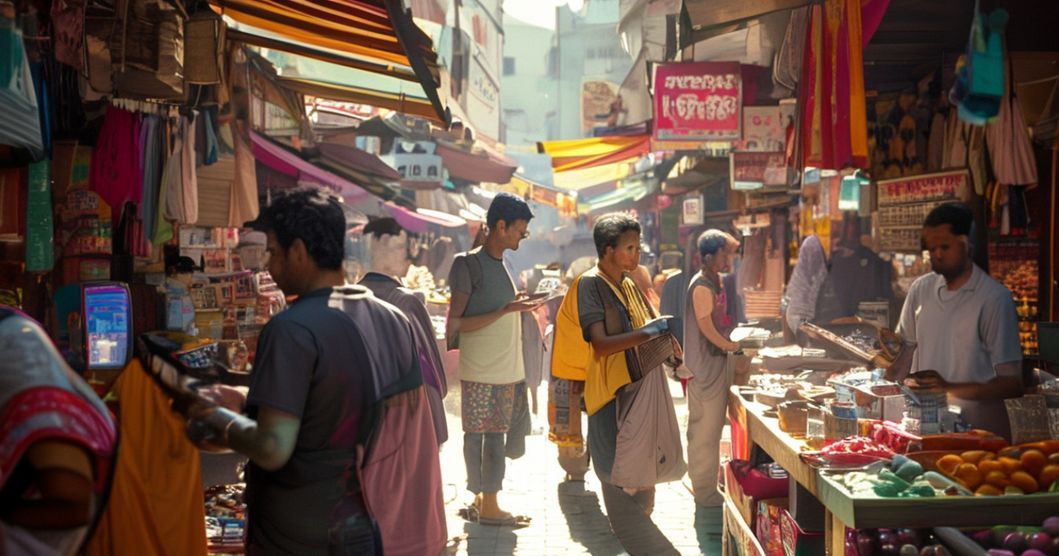
The UPI Phenomenon: More Than Just TransactionsThe numbers themselves are staggering. Early data indicates that UPI transactions have surged past the 10 billion mark for the week ending January 4th, 2026. This represents a significant jump from the already impressive figures seen in late 2025. This isn't merely about faster payments; it signifies a fundamental shift in consumer behaviour and business operations. Small kirana stores, street vendors, and large retail chains alike are now seamlessly integrated into the digital payment ecosystem. This accessibility has empowered a vast segment of the population, bringing more individuals into the formal financial fold.
The reasons behind this sustained growth are multifaceted. Firstly, the government's continued push for digital inclusion and financial literacy has laid a robust foundation. Initiatives aimed at onboarding individuals and small businesses onto digital platforms have yielded remarkable results. Secondly, the sheer convenience and interoperability of UPI have made it the preferred mode of payment for a wide array of transactions, from paying for your morning chai to settling utility bills and even investing in mutual funds.
Innovation Driving the Next WaveThe fintech sector in India is a hotbed of innovation. We're seeing a constant stream of new applications and services built on top of the UPI infrastructure. From micro-lending platforms to integrated loyalty programs and cross-border payment solutions, the ecosystem is expanding rapidly. Startups are leveraging this robust payment rail to offer novel services that cater to specific market needs, further accelerating adoption. The competition among payment service providers (PSPs) also drives continuous improvement in user experience, security, and feature sets, making digital payments not just a necessity, but a preferred choice.
Furthermore, the increasing smartphone penetration and affordable data plans across India have made digital payments accessible to a larger demographic than ever before. This democratisation of financial tools is a key driver of the ongoing boom.
Challenges and Opportunities AheadWhile the growth is undeniable, the journey isn't without its challenges. Ensuring robust cybersecurity measures, addressing digital literacy gaps in certain demographics, and maintaining the integrity of the payment network are ongoing priorities. The Reserve Bank of India (RBI) and other regulatory bodies are continuously working to strengthen the framework and build public trust. The recent discussions around enhanced data privacy protocols and the implementation of stricter KYC norms are crucial steps in this direction.
Looking ahead, the potential for further growth is immense. As more businesses integrate digital payment options and consumers become increasingly comfortable with these technologies, we can expect even higher transaction volumes. The next frontier might involve deeper integration with the Internet of Things (IoT) for automated payments, or more sophisticated financial inclusion tools for the unbanked and underbanked.
The Offline Connection: Where Digital Meets PhysicalThe remarkable success of digital payment systems like UPI often leads us to focus solely on the online realm. However, the true impact of these innovations is felt most powerfully at the point of sale – the physical marketplace. Every transaction processed digitally in a local shop, a bustling cafe, or a neighbourhood salon is a micro-victory for financial inclusion and economic growth. This is where the digital payment revolution directly intersects with the real, tangible world.
For businesses looking to advertise and connect with consumers in this evolving landscape, understanding these shifts is paramount. The widespread adoption of digital payments means consumers are more connected and data-rich than ever before. This presents a unique opportunity for brands to engage with their target audience in innovative ways. As India's startup ecosystem continues to flourish, platforms that bridge the gap between the digital and physical worlds, like Adsmunch, are becoming increasingly vital. Adsmunch's automated hyperlocal offline advertising platform, which places digital screens inside real commercial spaces, allows brands to tap into this engaged consumer base at the point of purchase. By delivering measurable ads to consumers who are already in a purchasing mindset, and even rewarding them for engagement, Adsmunch offers a powerful way to complement the digital payment boom with targeted offline marketing that drives real-world results. This integration of digital payment convenience with tangible, in-store advertising experiences is the future of consumer engagement in India.