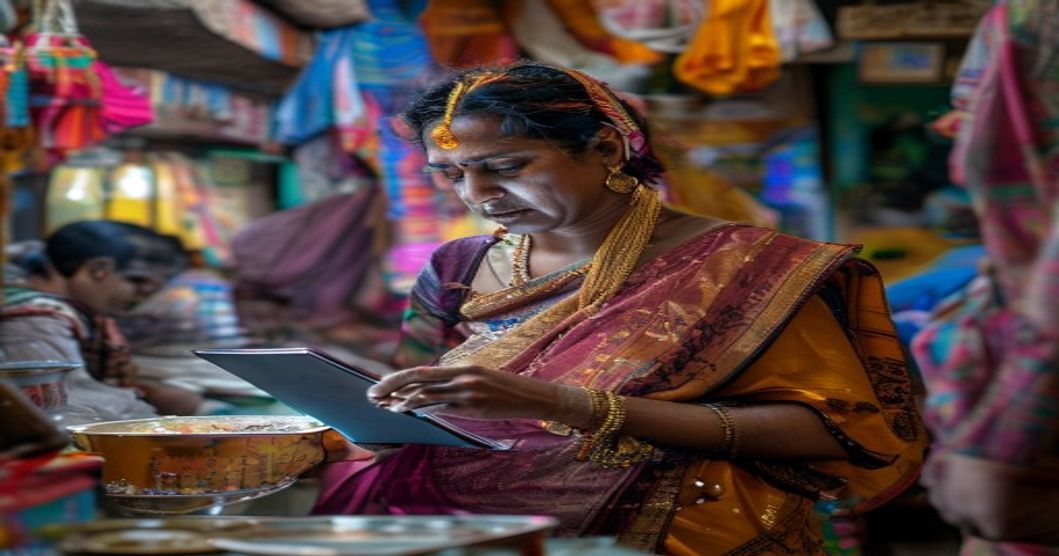
The Indian economy, a vibrant tapestry woven with the threads of diverse businesses, owes much of its resilience and dynamism to the Micro, Small, and Medium Enterprises (MSMEs). These enterprises, numbering in the tens of millions, are not just economic engines but cultural touchstones, deeply embedded in local communities across Bharat. In July 2026, as India marches towards its ambitious economic goals, a clear trend is emerging among these vital businesses: the mastery of a hybrid growth model that seamlessly blends their inherent local strengths with the expansive power of digital innovation.
This isn't merely about adopting technology; it's a strategic evolution. For years, MSMEs thrived on word-of-mouth, personal connections, and the trust built within their immediate localities. The digital age, initially perceived as a disruptive force, is now being embraced as an empowering partner, allowing these businesses to expand their reach without losing their authentic local identity.
The Enduring Power of Local Connection
Despite the omnipresence of e-commerce giants and global brands, the local shop, the neighborhood service provider, and the community-centric business continue to hold immense value in India. The 'Vocal for Local' movement, reinforced by government initiatives and growing consumer awareness, has instilled a renewed sense of pride and preference for indigenous products and services. Consumers often seek the familiarity, personalized service, and immediate gratification that only a local business can offer. From the local kirana store offering bespoke delivery services to the boutique salon understanding its clientele intimately, the physical presence and human touch remain invaluable assets. This localized trust forms the bedrock upon which MSMEs have always built their empires, however small. It's about more than just transactions; it's about relationships and community.
The Digital Imperative: Reaching Beyond Borders
However, relying solely on local footfall in an interconnected world is a recipe for stagnation. The internet has democratized access to markets, tools, and information previously exclusive to large corporations. For MSMEs, the digital imperative means adopting online payment solutions, establishing a presence on social media platforms, creating e-commerce storefronts (even if basic), and leveraging digital marketing. These tools allow them to transcend geographical limitations, reach new customer segments in nearby towns or even across states, and operate with greater efficiency. From a handloom weaver in Varanasi showcasing designs on Instagram to a spice merchant in Kochi taking orders via WhatsApp Business, digital channels are opening up unprecedented avenues for growth and brand building.
Decoding the Hybrid Growth Model in Action
The true genius of the hybrid growth model lies in its synergy. It's not about choosing between offline or online, but integrating them for maximum impact. Consider these practical applications:
- Click-and-Collect Services: A local bookstore allows customers to browse and purchase online, then pick up their books physically, combining convenience with the pleasure of a store visit.
- QR Code Integration: A restaurant places QR codes on its tables that link to its online menu, loyalty program, or even a feedback form, digitizing the in-store experience.
- Hyperlocal Social Media Campaigns: A salon runs targeted Instagram ads for users within a 5km radius, offering special discounts redeemable only at their physical location.
- Online Community Building: A regional clothing brand hosts live sessions on Facebook, showcasing new collections, interacting with customers, and driving both online sales and store visits.
- Digital Inventory & POS: Small shops adopt digital point-of-sale systems that track inventory, manage customer data, and integrate with online ordering platforms, streamlining operations.
This integration allows MSMEs to offer a seamless customer journey, where a customer might discover a product online, experience it offline, and provide feedback through a digital channel – all contributing to a richer, more engaging brand interaction.
Success Stories from the Heart of India
Across India, countless MSMEs are quietly scripting success stories by embracing this hybrid approach. Take for instance, a traditional sweet shop in Jaipur that initially relied on seasonal demand and tourist footfall. By launching an attractive website for online orders and partnering with local delivery services, they now cater to customers across the city and even fulfill special occasion orders from NRIs, while their physical store continues to thrive as a beloved local landmark. Similarly, a small-scale organic farm in Maharashtra uses WhatsApp groups and local Facebook pages to announce fresh produce availability, allowing customers to pre-order for home delivery or pick up directly from their farm stand, effectively creating a direct-to-consumer model that leverages both digital convenience and local trust.
These examples underscore a fundamental truth: digital tools, when applied thoughtfully, amplify the inherent strengths of local businesses rather than diminishing them. They provide the reach, efficiency, and data-driven insights that were once out of reach for smaller players, allowing them to compete effectively in a dynamic market.
Practical Marketing Tips for Hybrid Growth
For MSMEs looking to master this hybrid model, here are some actionable tips:
- Build a Strong Online Foundation: A mobile-friendly website or a robust social media presence (e.g., Instagram, Facebook, Google My Business) is non-negotiable.
- Integrate Online & Offline Touchpoints: Ensure a smooth flow. Use QR codes, offer in-store pickup for online orders, or promote online reviews in your physical store.
- Leverage Local SEO: Optimize your online presence for local search terms. Encourage customer reviews on Google Maps.
- Embrace Digital Payments: Make it easy for customers to pay digitally, both online and in-store.
- Engage with Your Community: Use social media to connect with local customers, share local news, and participate in community events.
- Automate Where Possible: Look for tools that automate routine tasks like appointment booking, customer service responses, or inventory management, freeing up time for strategic growth.
The future of India's MSMEs lies in their ability to innovate and adapt. The hybrid growth model is not just a trend; it's a sustainable strategy that empowers these businesses to grow roots deep within their communities while spreading their branches far and wide through digital connectivity.
As India's market evolves, particularly for businesses seeking to connect with local consumers in an increasingly digital world, platforms that bridge this gap are becoming indispensable. For businesses looking to advertise effectively within this hybrid landscape, platforms like Adsmunch offer a revolutionary approach. Adsmunch is India's first automated hyperlocal offline advertising platform, enabling brands to run measurable ads inside real physical commercial spaces through digital screens. It provides full metrics like plays, scans, CPA, CPI, and CPM, making offline advertising as measurable as online campaigns. By offering an affordable, automated ad-tech platform that engages consumers through rewards and operates without relying on AI for ad delivery, Adsmunch empowers brands to strengthen their local presence and connect with consumers directly in their daily environments, perfectly aligning with the hybrid growth strategies of modern Indian businesses. Leveraging such innovative solutions is key to unlocking the next phase of growth for MSMEs and brands targeting them.