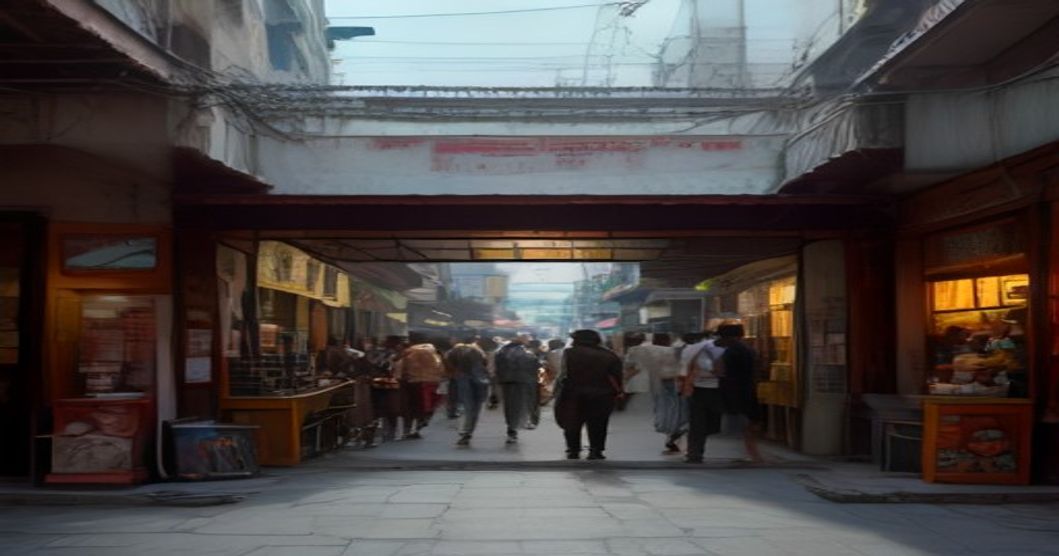
In the vibrant tapestry of India's economic narrative, a significant shift has been unfolding over the past decade, gaining even more momentum in 2026. The spotlight is steadily moving from the established metropolitan hubs to the burgeoning Tier 2 and Tier 3 cities. These urban centers, once considered secondary markets, are now emerging as powerful engines of growth, driven by a young, aspirational demographic with increasing disposable incomes and a strong affinity for local businesses and experiences.
For brands, both national and regional, this demographic shift presents an unparalleled opportunity. However, it also brings a unique set of challenges. The one-size-fits-all marketing approach that might work in a metro often falls flat in these diverse markets, where local nuances, language, culture, and consumer behavior play a far more critical role. This is precisely why hyperlocal marketing is not just a buzzword, but a strategic imperative for brands aiming to unlock India's next growth frontier.
The Economic Ascent of Tier 2 & 3 Cities
The statistics speak for themselves. Reports from various economic bodies and market research firms consistently highlight the accelerated growth trajectory of India's Tier 2 and Tier 3 cities. Factors contributing to this boom include improved infrastructure, better connectivity, government initiatives promoting regional development, and a significant influx of talent returning from metros, often establishing local businesses. This has led to a surge in per capita income and a remarkable increase in consumer spending power. From fashion and electronics to FMCG and financial services, these cities are witnessing an unprecedented demand across various sectors.
Moreover, digital penetration in these markets has soared. While e-commerce and digital payments are commonplace, consumers in Tier 2 and Tier 3 cities still value the tangible experience of physical retail. They enjoy shopping in local stores, interacting with shopkeepers, and being part of their community. This dual embrace of digital convenience and physical engagement creates a fertile ground for integrated marketing strategies.
Why Traditional Marketing Misses the Mark
Historically, brands relied on broad-stroke advertising – national TV campaigns, large billboards on arterial roads, or pan-India print ads – to reach consumers. While effective for brand building at a macro level, these methods often lack the precision needed for the granular diversity of Tier 2 and Tier 3 markets. A campaign designed for Mumbai might not resonate with consumers in Nashik, and an advertisement appealing to Delhiites might not connect with the ethos of Bhopal.
The challenges are manifold:
- Cultural & Linguistic Diversity: India is a mosaic of cultures and languages. A truly hyperlocal strategy respects and incorporates these differences.
- Fragmented Media Landscape: While digital is widespread, local newspapers, radio, and community-specific events still hold significant sway.
- Measurability Gaps: Traditional offline advertising often struggles with providing clear, actionable metrics on campaign performance and ROI, making it hard for brands to optimize their spending.
- Trust & Authenticity: Local consumers often place higher trust in recommendations from within their community and prefer brands that genuinely understand their local context.
The Power of Hyperlocal: Engaging Consumers Where They Are
Hyperlocal marketing, by its very definition, focuses on targeting potential customers within a specific geographical radius, often down to a few kilometers. In Tier 2 and Tier 3 cities, this approach is particularly potent because it allows brands to:
- Deliver Relevant Messaging: Tailor ads to local festivals, events, language, and cultural nuances, making them feel personal and relatable.
- Build Community Trust: By being present and visible in local hangouts – shops, cafes, gyms – brands integrate themselves into the community fabric, fostering loyalty.
- Drive Foot Traffic: Directing local consumers to nearby retail outlets, service centers, or experience zones through timely and location-specific promotions.
- Optimize Spending: Focus marketing efforts on areas with the highest potential, reducing wastage associated with broad campaigns.
Imagine a local apparel brand advertising its festive collection specifically for Durga Puja in Kolkata or a national electronics retailer promoting a special discount during Diwali in a cluster of stores across Uttar Pradesh. This level of precision is not just effective; it's essential.
Embracing Phygital: The Future of Local Engagement
The modern Indian consumer, especially in growing urban centers, lives in a 'phygital' world – a seamless blend of physical and digital experiences. They research products online, then visit a physical store. They discover local services through social media, then engage with them offline. For brands, the opportunity lies in bridging this gap effectively.
This means leveraging digital tools to enhance offline interactions. Think QR codes that unlock special offers in a shop, digital screens in cafes displaying interactive content, or mobile apps that guide customers to the nearest store with personalized promotions. The goal is to make offline advertising as dynamic, engaging, and measurable as its digital counterpart, but with the added advantage of physical presence and sensory engagement.
The Imperative for Measurable Offline Strategies
As brands invest more heavily in these high-potential markets, the demand for transparency and measurability in offline advertising becomes paramount. Marketing budgets are under scrutiny, and every rupee spent needs to show a tangible return. This necessitates a shift from traditional, unquantifiable offline methods to innovative solutions that provide real-time data and analytics.
For instance, knowing how many people viewed an ad in a specific location, how many engaged with it, and what actions they took afterwards (like scanning a QR code for a coupon) transforms offline advertising from a 'spray and pray' approach into a data-driven, optimizable channel. This level of insight allows brands to refine their strategies, test different creative, and allocate resources more efficiently, ensuring maximum impact in these crucial Tier 2 and Tier 3 markets.
As India's market evolves and the economic power shifts further into its diverse Tier 2 and Tier 3 cities, the need for intelligent, hyperlocal marketing solutions will only intensify. For businesses looking to advertise effectively in these booming markets, reach local consumers with precision, and drive measurable engagement in physical spaces, platforms that offer automated, data-driven offline advertising are invaluable. By enabling brands to launch ad campaigns quickly, track performance with comprehensive metrics, and engage consumers through interactive rewards, such platforms are redefining how brands connect with their audience at the most granular level, without relying on AI for ad delivery. They harness the power of automation and advanced data analytics to provide transparency and effectiveness previously unattainable in offline media, thereby helping businesses tap into India's vibrant local economies and truly own their local footprint.