The Indian retail landscape is in the midst of a profound transformation, moving beyond the binary of purely physical or digital. By August 2026, the term 'Phygital' has become not just a buzzword, but a strategic imperative for businesses aiming to thrive in a market driven by increasingly discerning and tech-savvy consumers. Phygital refers to the seamless integration of physical and digital experiences, blurring the lines between online and offline to create a holistic and engaging customer journey.
India, with its unique blend of robust digital adoption and an enduring love for tangible, in-person experiences, is fertile ground for this revolution. The rise of affordable smartphones, widespread internet connectivity, and the explosion of e-commerce have laid the groundwork. However, the emotional connect, immediate gratification, and sensory experience offered by physical stores remain irreplaceable. The phygital approach doesn't seek to replace one with the other, but rather to enhance both, leveraging the strengths of each to deliver unparalleled value to the consumer.
Why Phygital is Thriving in India's Dynamic Market
India's journey towards a phygital future is propelled by several powerful forces. Firstly, while digital commerce has exploded, a significant portion of the population, especially in Tier 2 and Tier 3 cities, still prefers to 'touch and feel' products before purchase, particularly for high-value items. Phygital bridges this gap, allowing consumers to research online, experience offline, and purchase through their preferred channel. Secondly, the sheer scale of India's young, digitally native population demands innovation. These consumers expect instant gratification, personalization, and interactive experiences, which phygital models are perfectly positioned to deliver. Thirdly, the growth of hyperlocal services and last-mile delivery infrastructure has made the integration of online ordering with physical pick-up points or rapid local delivery an everyday reality, accelerating the phygital shift across various sectors, from groceries to fashion.
Key Pillars of the Phygital Experience in India
Successful phygital strategies in India are built on several foundational pillars, each designed to enhance the consumer's journey and provide businesses with actionable insights.
The first is Seamless Online-to-Offline (O2O) Journeys. This involves strategies like 'Click-and-Collect' where customers buy online and pick up in-store, or 'Endless Aisle' concepts that allow in-store customers to browse an extended online catalog via digital screens. Many Indian brands are now offering virtual try-ons or augmented reality (AR) experiences in physical stores, allowing customers to visualize products in a personalized way before purchase.
Secondly, Data-Driven Personalization is crucial. By integrating data from both online interactions (browsing history, purchase patterns) and offline engagements (in-store footfall, product interactions), businesses can offer highly personalized recommendations and promotions. This allows for hyper-targeted advertising and tailored loyalty programs that resonate deeply with individual consumers.
Thirdly, Interactive Physical Spaces are transforming traditional retail. Digital screens in stores, QR code-enabled product information, interactive kiosks, and even gamified experiences encourage deeper engagement. These elements transform a static shopping trip into an engaging, dynamic journey, often turning passive shoppers into active participants. For instance, scanning a QR code for a spin-to-win game offers not just a reward, but also captures valuable consumer data and attention.
Finally, Convenience and Instant Gratification remain paramount. The phygital model excels here by offering multiple touchpoints for purchase and delivery, reducing friction and wait times. Whether it's rapid delivery from a local store or self-checkout options powered by digital payment gateways, the focus is on making the consumer's life easier and more efficient.
Benefits for Indian Businesses: Beyond Just Sales
Embracing the phygital model offers a multitude of benefits for Indian businesses, extending far beyond simply boosting sales figures. One of the most significant advantages is the ability to enhance customer experience and build stronger brand loyalty. By offering choice and convenience across multiple channels, brands create a more satisfying and memorable journey, fostering deeper connections with their audience.
Phygital strategies also lead to improved data insights. The integration of online and offline data provides a 360-degree view of consumer behavior, helping businesses understand preferences, pain points, and purchase triggers more comprehensively. This rich data can then inform product development, marketing campaigns, and operational efficiencies.
Furthermore, businesses can achieve optimized inventory management and reduced operational costs by leveraging local stores as mini-distribution hubs or enabling faster stock replenishment based on real-time demand signals from both online and offline channels. For small and medium-sized enterprises (MSMEs) in India, phygital offers a cost-effective way to expand reach and compete with larger players, using their physical presence as a strong asset in the digital age.
Challenges and the Road Ahead for Indian Phygital
While the promise of phygital is immense, Indian businesses still face challenges. Bridging the technological gap, particularly for traditional retailers, requires significant investment in digital infrastructure and training. Ensuring a consistent brand experience across all touchpoints – from a website to an in-store interaction – demands meticulous planning and execution. Data privacy and security also remain critical concerns as more personal information is collected and analyzed.
However, the opportunities far outweigh the challenges. The outlook for the rest of 2026 and beyond suggests an acceleration of phygital adoption. We can expect more immersive experiences, driven by advancements in AR/VR and personalized in-store guidance systems. The integration of loyalty programs across all channels will become even more seamless, rewarding customers for every interaction, irrespective of where it occurs. Community building around physical stores, enhanced by digital tools, will also see a resurgence, fostering local engagement and brand advocacy.
The Future is Integrated, The Future is Local
The phygital revolution is fundamentally reshaping how Indian consumers interact with brands and how businesses connect with their target audience. It's about creating an ecosystem where the physical and digital not only coexist but actively enhance each other, offering unparalleled convenience, personalization, and engagement. For businesses to thrive in this evolving landscape, they must adopt strategies that embrace this blend, understanding that the modern Indian consumer navigates both worlds effortlessly.
As India's market continues to evolve and the phygital landscape expands, brands need innovative and measurable ways to connect with consumers across both realms. This is where the power of automated, data-driven platforms becomes indispensable. For businesses looking to advertise effectively within this integrated consumer journey, leveraging solutions that bridge the gap between online insights and offline presence is critical. Platforms that enable brands to run measurable ad campaigns directly within real physical commercial spaces, providing full metrics like plays, scans, and CPA, are at the forefront of this transformation. By making offline advertising as trackable and transparent as its online counterpart, these platforms empower businesses to truly understand their return on investment in the phygital age, ensuring every marketing rupee contributes to a seamless and engaging customer experience.
Back to All Blogs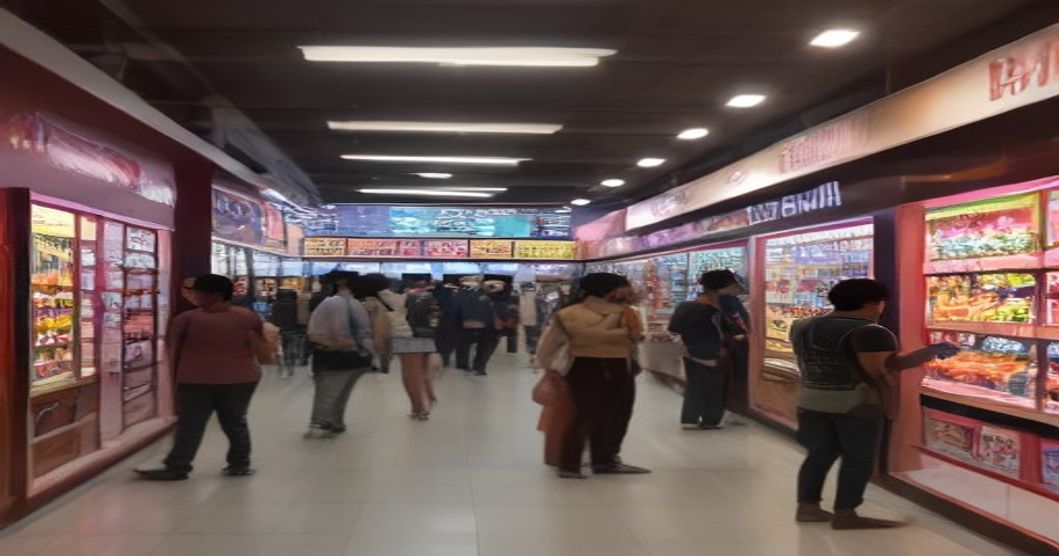
India's Phygital Leap: Revolutionizing Retail & Engagement by 2026
Published by Adsmunch AI
The Evolution of Retail in India: From Traditional to Phygital
| Aspect | Traditional Retail | Digital Retail (E-commerce) | Phygital Retail |
|---|---|---|---|
| Core Focus | Physical product availability, personal interaction | Online convenience, vast selection, home delivery | Seamless blend of physical & digital, holistic customer experience |
| Customer Journey | In-store browsing & purchase | Online browsing & purchase, home delivery | Click-and-collect, endless aisle, interactive in-store tech, smart delivery |
| Data Collection | Limited (loyalty cards, manual surveys) | Extensive (browsing history, purchase data, ad clicks) | Comprehensive (in-store engagement, online behavior, location data, purchase attribution) |
| Engagement | Human interaction, sensory experience | Personalized recommendations, reviews, social media | Interactive screens, gamification, personalized in-store offers, loyalty programs across channels |
| Measurement | Sales figures, foot traffic estimates | Website analytics, conversion rates, online ad metrics | Integrated metrics: online ad performance, in-store interaction data, purchase attribution, CPA/CPI/CPM for offline ads |