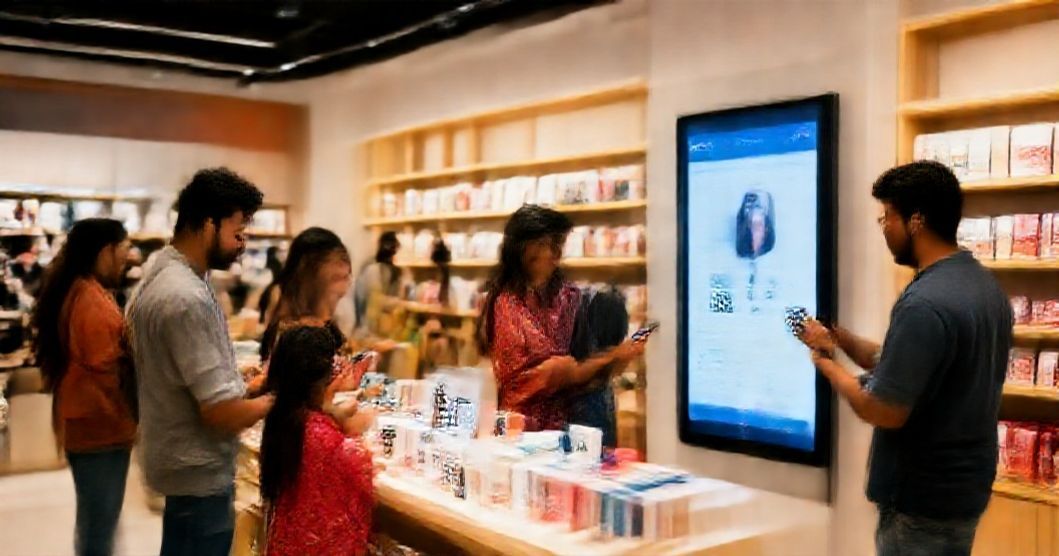
The landscape of Indian retail and marketing is undergoing a profound transformation, and as we navigate February 2026, one term is increasingly dominating boardrooms and consumer conversations alike: 'phygital.' This isn't just a buzzword; it represents a fundamental shift in how brands connect with their audiences, seamlessly blending the best of both the physical and digital worlds to create richer, more impactful experiences. For years, the debate raged: digital versus offline. But in 2026, that binary thinking is obsolete. The future is integrated, and India, with its unique blend of rapidly digitizing consumers and enduring physical market presence, is at the forefront of this phygital revolution.
What Exactly is Phygital?At its core, 'phygital' refers to the integration of physical and digital experiences. It's about leveraging technology to enhance the real-world interaction, or using physical touchpoints to drive digital engagement, creating a unified and fluid customer journey. Think of it as moving beyond just having an online store and a brick-and-mortar shop, to building a cohesive ecosystem where each channel enriches the other. The goal is to provide convenience, personalization, and immersive engagement that transcends the traditional boundaries of either realm.
In India, the rapid smartphone penetration, affordable data, and a young, tech-savvy population have accelerated digital adoption. Yet, the emotional resonance of physical stores, the trust built through face-to-face interaction, and the vibrant culture of local marketplaces remain undeniable. Phygital bridges this gap, acknowledging that consumers don't think in terms of 'online' or 'offline' when they shop or engage with a brand – they simply want a convenient, enjoyable experience.
The Indian Context: A Perfect Playground for PhygitalIndia presents a unique opportunity for phygital innovation. Our diverse consumer base, ranging from digitally native urban dwellers to those in Tier 2 and 3 cities embracing digital for the first time, demands a multi-pronged approach. Brands that succeed are those that understand the nuances of this market, offering digital convenience without sacrificing the human touch that is so valued in Indian culture.
Consider the rise of 'click-and-collect' models, which have evolved significantly since the pandemic. What started as a necessity is now a preferred choice for many, offering the speed of online ordering with the instant gratification and zero shipping costs of picking up in-store. This is a classic phygital play. But the innovation goes deeper. Brands are now using in-store digital kiosks that allow customers to browse extended catalogues unavailable on shelves, personalize products, or even virtually try on clothes using augmented reality (AR) mirrors. These aren't just gadgets; they are tools to enhance the physical shopping experience, providing more choice and engagement.
Innovations Redefining Branding and MarketingMarketing in a phygital world requires a complete rethink of strategy. It’s no longer about parallel campaigns for digital and physical, but interwoven narratives. Here are some key innovations shaping the landscape:
Interactive In-Store Screens: Beyond static posters, digital screens in physical commercial spaces are becoming interactive, dynamic content hubs. They can display personalized offers based on loyalty data, showcase product demos, or even host live streams, turning passive viewing into active engagement.
QR Code Ecosystems: The humble QR code has transformed. In 2026, scanning a QR code in a shop might not just lead to a product page, but to a virtual try-on experience, a brand community forum, or even a direct chat with a sales assistant who is miles away. This bridges the gap between seeing a product and accessing a wealth of digital information and service.
Experiential Retail: Brands are investing heavily in creating 'experience zones' within their physical stores. These spaces often blend sensory elements with digital storytelling, allowing consumers to immerse themselves in the brand's narrative. Think about a skincare brand offering virtual skin consultations alongside physical product trials, or an automobile showroom providing VR test drives alongside actual vehicles.
Data-Driven Personalization (Offline Too!): While digital channels excel at personalization, phygital strategies are bringing this to the physical world. Using insights from online behaviour (with consumer consent), brands can tailor in-store recommendations, display personalized offers on digital screens, or even alert store staff to a customer's preferences, making the physical visit feel uniquely curated. This is about using data analytics to inform and enhance real-world interactions, ensuring relevancy at every touchpoint.
The long-standing debate of digital versus offline advertising is increasingly becoming irrelevant. The most successful brands in 2026 understand that these are not competing forces but complementary components of a unified strategy. Digital offers unparalleled reach, precise targeting, and measurable analytics. Offline provides tangibility, sensory engagement, immediate gratification, and builds a level of trust and emotional connection that purely digital interactions often struggle to replicate.
Effective phygital marketing leverages the strengths of both. A customer might discover a new product through a targeted online ad, research it extensively on a brand's website, then visit a physical store to experience it first-hand, and finally make a purchase online or in-store, perhaps even using a digital payment method. Each step is part of a singular journey, and the brand's presence, messaging, and service must be consistent and seamless across all these points.
The Future is Integrated and MeasurableAs India's business landscape continues its rapid evolution, the imperative for brands to adopt a truly integrated phygital strategy becomes clearer. Consumers expect convenience, personalization, and engaging experiences, irrespective of the channel. The challenge, and indeed the opportunity, lies in creating these seamless journeys and, critically, in measuring their impact.
For businesses looking to advertise effectively in this integrated environment, understanding how to make offline engagements as transparent and performance-driven as their digital counterparts is key. As India's startup ecosystem grows, platforms like Adsmunch are enabling brands to do exactly that. By transforming static physical spaces into dynamic, measurable advertising channels through automated digital screens inside real commercial establishments, Adsmunch allows brands to run performance-driven campaigns that offer real-time tracking of plays, scans, CPA, CPI, and CPM. This bridges the gap between the tangible presence of offline advertising and the data-rich measurability typically associated with digital, ensuring that every marketing rupee spent in the physical world delivers transparent, quantifiable results, all powered by automation and robust data analytics, not AI. It's about bringing the precision of digital measurement to the power of physical presence, perfectly aligning with the phygital future.