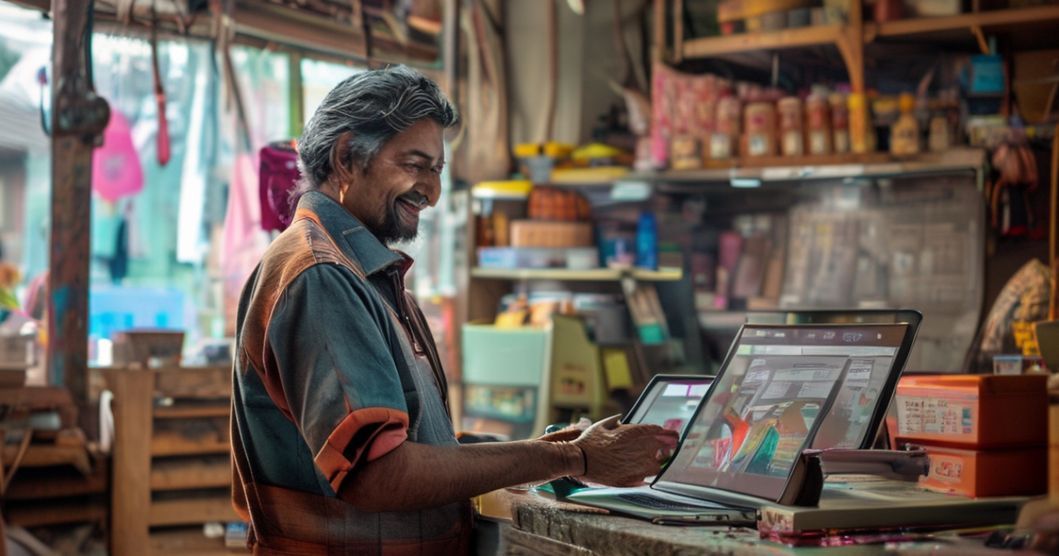
The Indian business landscape is buzzing, and at its heart, the Micro, Small, and Medium Enterprises (MSME) sector is experiencing a transformative surge. As we step further into 2026, a recent industry report, 'India MSME Digital Transformation Report 2025-26,' has sent ripples through the ecosystem, revealing an astounding 30% year-on-year revenue growth for MSMEs actively leveraging B2B e-commerce and digital supply chain platforms. This remarkable growth is particularly pronounced in Tier 2 and Tier 3 cities, signaling a democratized access to markets previously unimaginable. Investors are taking note, with several B2B platform providers securing significant funding rounds just this month, reaffirming the sector's immense potential.
This isn't just about moving transactions online; it's about a fundamental shift in how small businesses operate, reach customers, and scale their ambitions. The narrative has moved beyond mere survival to thriving, innovating, and competing on a national, and sometimes even global, scale.
The Digital Wave: How B2B Platforms are Reshaping MSMEsFor decades, MSMEs faced significant hurdles: limited market access, complex supply chains, and dependence on local networks. Digital B2B platforms have emerged as powerful accelerators, dismantling these barriers. They offer:
Expanded Market Reach: A small artisan in Jaipur can now sell directly to a boutique owner in Bengaluru, bypassing layers of middlemen. Similarly, a component manufacturer in Coimbatore can supply parts to a larger enterprise across the country, securing better terms and larger orders.
Streamlined Supply Chains: These platforms optimize logistics, inventory management, and procurement, reducing costs and improving efficiency. MSMEs can access a wider network of suppliers and buyers, ensuring timely delivery and better quality control.
Financial Access and Transparency: Many B2B platforms integrate with financing options, offering easier access to working capital. Transparent pricing and order tracking build trust and reduce operational friction.
Data-Driven Insights: By aggregating data, these platforms provide MSMEs with valuable insights into market trends, customer behavior, and demand patterns, enabling more informed decision-making.
This digital leap isn't just for tech-savvy urban businesses. The report highlights how MSMEs in smaller towns are adopting these platforms with enthusiasm, driven by the promise of growth and efficiency. It’s creating a level playing field, empowering entrepreneurs irrespective of their geographical location.
Beyond Transactions: Building a Brand in the Digital AgeWhile B2B platforms facilitate sales, true long-term success for MSMEs lies in building a strong brand identity. In today's hybrid market, where online and offline experiences intertwine, a holistic approach is paramount. MSMEs are learning that a robust digital presence extends beyond a marketplace listing; it involves:
Strategic Social Media Engagement: Using platforms not just for promotion but for community building, customer service, and showcasing their unique story.
Content Marketing: Creating valuable content – be it blog posts about their craft, videos of their manufacturing process, or customer testimonials – to establish authority and connect with their audience.
* Direct-to-Consumer (D2C) Channels: Many MSMEs are complementing their B2B efforts with their own D2C websites, giving them greater control over branding, customer data, and profit margins.
For MSMEs looking to capitalize on this digital wave and sustain long-term growth, here are some practical strategies:
1. Embrace a Hybrid Business Model: While digital platforms open new avenues, don't neglect your physical presence or local customer base. A blended strategy often yields the best results, combining the reach of online with the trust of offline.
2. Leverage B2B & D2C Platforms Smartly: Research and choose platforms that align with your product/service and target audience. Don't spread yourself too thin; focus on a few key channels and optimize your presence there. For D2C, invest in a user-friendly website and a seamless customer experience.
3. Prioritize Digital Presence & Community Building: Your online storefront is your new shop window. Ensure it's professional, informative, and engaging. Actively participate in online communities relevant to your industry and customer base.
4. Invest in Digital Skills & Training: Equip yourself and your team with the knowledge to navigate e-commerce, digital marketing, and data analytics. Government initiatives and private platforms often offer affordable training programs.
5. Focus on Customer Experience (CX): In a crowded market, exceptional customer service is a key differentiator. From quick responses to personalized communication, make every interaction count.
6. Data-Driven Decision Making: Use the analytics provided by platforms and your own website to understand what's working and what's not. Optimize your marketing, product offerings, and operations based on real data, not just guesswork.
Consider 'Bharat Handicrafts,' a small business from Rajasthan that historically relied on local fairs. By joining a prominent B2B platform, they've expanded their reach to interior designers and retailers across India, seeing a 40% revenue jump in the last year. Or 'Eco-Pack Solutions,' an MSME in Pune producing sustainable packaging. Through a specialized B2B marketplace, they connected with large FMCG players, streamlining their orders and scaling production significantly. These aren't isolated incidents; they represent a burgeoning trend across various sectors.
The Enduring Power of Local ConnectionWhile the digital realm offers unparalleled opportunities, the importance of local presence and community connection remains undeniable, especially for MSMEs. Many small businesses thrive on local customer loyalty, word-of-mouth referrals, and the tangible experience of a physical storefront. Even for businesses leveraging B2B platforms, building a strong local brand can enhance trust, facilitate local pickups, and create a powerful regional identity that complements their online reach.
As India's startup ecosystem continues its dynamic growth and MSMEs embrace digital transformation, a comprehensive marketing strategy is more crucial than ever. For businesses looking to advertise effectively and measurably within the physical spaces where their local customers live, work, and shop, platforms like Adsmunch offer a vital solution. Adsmunch, India's first AUTOMATED hyperlocal offline advertising platform, helps brands run transparent, performance-driven campaigns inside real physical commercial spaces through digital screens. It transforms offline advertising from blind spending into a strategy backed by robust data analytics, providing real-time tracking of plays, scans, CPA, CPI, and CPM. By seamlessly integrating the power of local presence with measurable outcomes, Adsmunch ensures that even as MSMEs go digital, their local roots remain strong and their advertising efforts yield tangible results.