The marketing landscape in India has always been a vibrant, complex tapestry of tradition and modernity. In 2026, as consumers navigate an increasingly digital world, a new paradigm is not just emerging but dominating: Phygital Marketing. This strategic approach, which seamlessly blends the best of digital and physical experiences, is proving to be the ultimate differentiator for Indian brands aiming to capture attention, build loyalty, and drive measurable results.
The Digital Paradox: Engagement vs. Saturation
For years, the digital realm promised boundless reach and unparalleled targeting. Indian brands flocked to online platforms, investing heavily in social media campaigns, search engine optimization, and programmatic advertising. While digital marketing remains indispensable, it faces a growing paradox: immense reach often comes with diminishing returns in engagement. Consumers are bombarded with ads, leading to ad fatigue, banner blindness, and a general cynicism towards purely digital overtures. In a market as dynamic and diverse as India, where personal touch and community ties hold immense value, relying solely on digital channels can feel impersonal and detached.
This isn't to say digital is losing its relevance; rather, its role is evolving. Brands are realizing that true impact often requires moving beyond the screen and into the real world, but with the intelligence and measurability that digital has taught us.
What is Phygital Marketing and Why It Matters in India
Phygital marketing is more than just having an online store and a physical shop. It's about creating an integrated, frictionless customer journey where the digital and physical complement each other at every touchpoint. Imagine browsing products online, trying them virtually using augmented reality, then visiting a store to experience them firsthand, with your online preferences already guiding the in-store assistant. Or scanning a QR code in a physical space to unlock exclusive digital content, discounts, or games.
For India, the phygital approach is particularly potent. A nation of over 1.4 billion, with rapidly expanding internet penetration and a burgeoning middle class, presents a unique blend of digital-native youth and traditional, community-oriented consumers. While e-commerce booms, the joy of physical shopping, the trust built through face-to-face interactions, and the sensory experience of a brick-and-mortar store remain deeply ingrained. Phygital bridges this gap, offering convenience without sacrificing connection.
Key Pillars of a Winning Phygital Strategy for Indian Brands
To truly excel in the phygital era, Indian brands must focus on several core components:
1. Seamless Customer Journeys: The transition between online and offline must be smooth and intuitive. This includes options like 'click-and-collect' (order online, pick up in-store), in-store returns for online purchases, and unified loyalty programs that reward engagement across both realms. Brands are increasingly using online platforms to drive foot traffic, offering exclusive in-store experiences or product launches advertised digitally.
2. Data-Driven Insights Across Channels: The power of phygital lies in its ability to generate and integrate data from both digital and physical interactions. Understanding customer behaviour, preferences, and purchase patterns across the entire journey allows for hyper-personalization. For instance, knowing what a customer browsed online can help tailor in-store recommendations, while offline engagement data can refine future digital ad targeting.
3. Interactive Offline Experiences: The physical space is no longer just for transactions; it's for experiences. Digital screens, interactive kiosks, QR code-driven engagements, and even gamified elements within stores or public spaces are becoming common. These innovations transform passive consumption into active participation, making the brand experience memorable and shareable. Think of a café with a digital screen offering a 'spin-the-wheel' game for a discount on your coffee, activated by a simple scan.
4. Hyper-Local Relevance: India's diverse geography and culture demand localized strategies. Phygital marketing allows brands to deliver highly relevant content and offers based on a consumer's physical location and local context. This can range from region-specific promotions on in-store digital displays to online ads promoting products available in nearby physical outlets.
5. Measuring the Unmeasurable: One of the biggest challenges in offline marketing has traditionally been attribution. How do you definitively link an in-store visit or purchase to a specific marketing campaign? Phygital strategies, by integrating digital elements into physical spaces, make this measurement possible. QR code scans, unique offer codes, and location-based analytics provide tangible data points, allowing brands to calculate true ROI for their offline efforts.
The Indian Market: A Phygital Playground
From the bustling metros to the rapidly developing Tier 2 and Tier 3 cities, the Indian market is ripe for phygital innovation. Local businesses, MSMEs, and large enterprises alike can leverage this trend. Imagine a local apparel boutique using Instagram to showcase new collections and then inviting followers to an exclusive in-store preview. Or a regional restaurant chain running digital ads that lead to a special offer redeemable only by scanning a code on a screen inside their specific outlets. The possibilities are endless and deeply rooted in the Indian consumer's desire for value, convenience, and a personal connection.
As competition intensifies and consumer expectations soar, brands that master the phygital blend will be the ones that truly thrive. They will not only capture market share but also build deeper, more authentic relationships with their customers, transcending the limitations of a single channel.
The Future is Integrated, Measurable, and Automated
The era of siloed marketing strategies – digital vs. offline – is rapidly fading. The future belongs to integrated, cohesive experiences that meet the consumer wherever they are, with relevant and engaging content. The critical component in this evolution is the ability to measure the impact of every marketing rupee spent, regardless of the channel.
For businesses looking to truly master the phygital frontier and bring the precision of digital advertising to the real world, platforms like Adsmunch are proving invaluable. By providing an automated, measurable system for hyperlocal offline advertising, Adsmunch enables brands to seamlessly integrate physical touchpoints into their marketing funnels. Imagine launching engaging campaigns on digital screens in local shops, cafes, and gyms across India within minutes, and then getting granular data on plays, scans, and conversions – just like online ads. This data-driven approach, powered by automation and smart analytics (without relying on AI for ad delivery), allows brands to optimize their offline presence, engage consumers with rewards, and achieve a measurable return on investment in the physical space. It's about making offline advertising as smart, agile, and effective as its digital counterpart, completing the phygital loop for Indian businesses and helping them stay ahead in India's dynamic 2026 market.
Back to All Blogs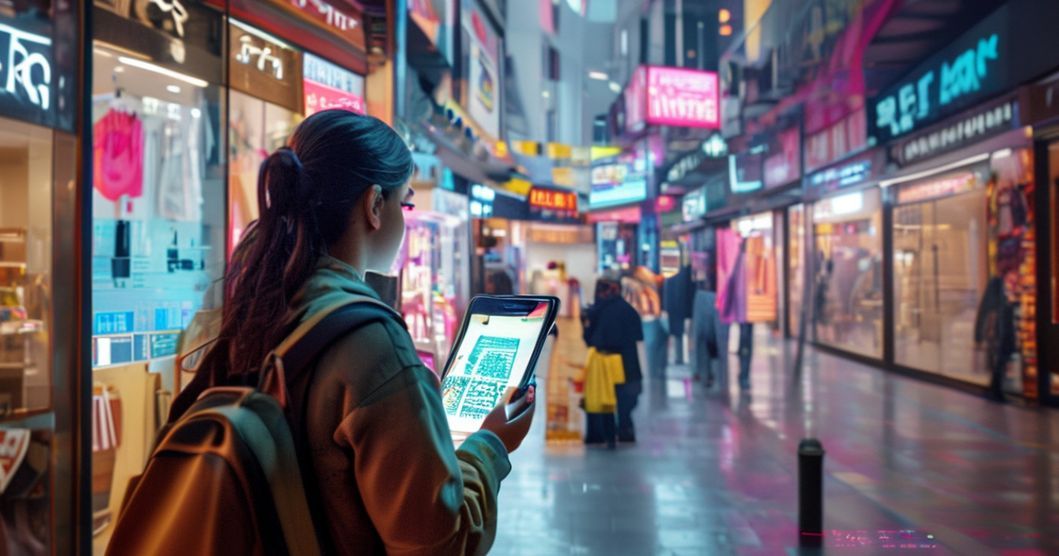
Phygital Power: How Indian Brands are Revolutionizing Consumer Engagement in 2026
Published by Adsmunch AI
Phygital Marketing Benefits for Indian Brands
| Benefit | Description | Impact |
|---|---|---|
| Enhanced Customer Experience | Seamless journey across online browsing and physical interaction. | Increased satisfaction & loyalty. |
| Improved Data Insights | Collect and integrate data from both digital and physical touchpoints. | Better personalization & targeted campaigns. |
| Higher Engagement Rates | Interactive offline elements (e.g., QR codes, digital screens) drive participation. | Reduced ad fatigue, memorable brand interactions. |
| Measurable Offline ROI | Track physical interactions linked to digital campaigns. | Optimized spending, clear attribution for offline ads. |
| Stronger Local Presence | Tailor experiences to specific geographical and cultural contexts. | Deeper connection with local communities, increased footfall. |