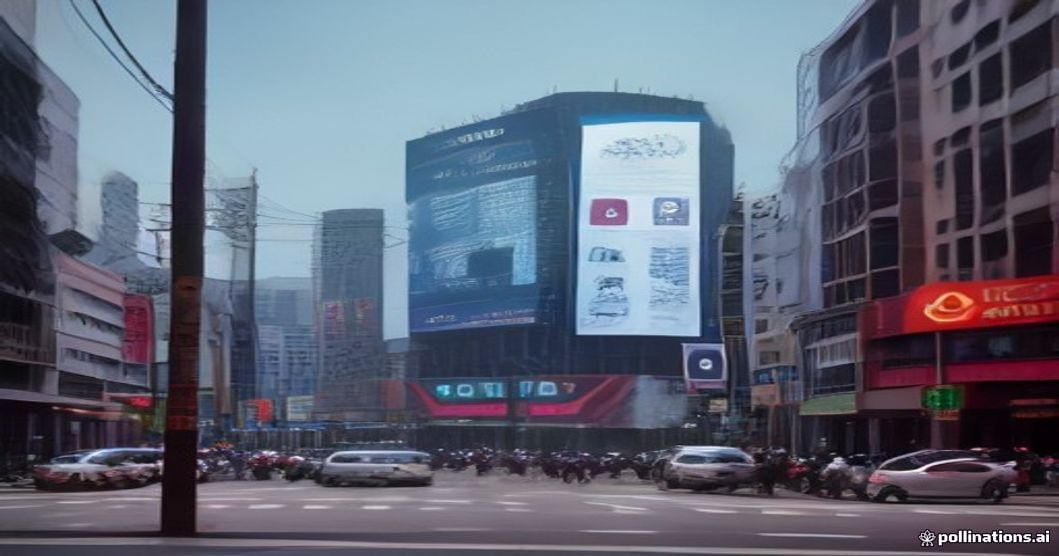
The advertising landscape in India is undergoing a profound transformation. While digital ads have captured significant mindshare and budgets with their unparalleled measurability and targeting capabilities, the undeniable impact of physical presence remains crucial. Consumers still frequent local shops, cafes, gyms, and salons – spaces where traditional advertising often felt like a black box. However, a powerful ad-tech innovation is now bridging this gap: Programmatic Digital Out-of-Home (pDOOH).
As of late 2026, pDOOH is not just a buzzword; it's rapidly becoming the strategic cornerstone for brands looking to extend their digital precision into the physical world. For a market as vast and diverse as India, where physical commerce thrives alongside digital adoption, pDOOH represents a monumental leap forward in how businesses connect with their audiences.
What Exactly is Programmatic DOOH?
At its core, Programmatic DOOH is the automation of buying, selling, and delivering advertising on digital screens in public spaces. Think of it as bringing the efficiency, targeting, and measurement capabilities of online advertising platforms to physical screens – from billboards and transit shelters to screens inside commercial establishments. Instead of manual bookings and static campaigns, pDOOH allows advertisers to:
- Purchase ad slots dynamically, often in real-time.
- Target specific audiences based on location, time of day, weather conditions, events, or even anonymized audience data.
- Run highly flexible and dynamic campaigns that can change content instantly.
- Measure performance with a level of detail previously only associated with digital ads.
This shift is particularly impactful in India, a nation characterized by its vibrant street culture, bustling markets, and a growing network of digital displays across urban and semi-urban centres.
Why Programmatic DOOH is a Game-Changer for India
India presents a unique canvas for pDOOH to flourish. The country's massive and diverse consumer base, coupled with rapid urbanization and increasing digital screen penetration in commercial and public spaces, creates an ideal environment for this ad-tech innovation. Here’s why it’s so critical:
1. The Rise of the 'Phygital' Consumer: Indian consumers seamlessly navigate between online and offline worlds. They research products online, then buy in-store; they discover local businesses through social media, then visit them. pDOOH allows brands to engage these 'phygital' consumers at critical points in their physical journey, reinforcing online messages or delivering contextually relevant offers.
2. Demand for Measurable Offline Advertising: For too long, offline advertising has been plagued by vague metrics like 'estimated impressions.' Indian brands, accustomed to the granular data of digital campaigns, are increasingly demanding accountability and ROI from their offline spends. pDOOH directly addresses this by offering data points like plays, dwell time, and even conversion tracking through QR codes or unique offers.
3. Hyperlocal Targeting Opportunities: India's market is incredibly fragmented. A national campaign might not resonate locally. pDOOH excels at hyperlocal targeting, allowing brands to tailor messages down to a specific shop, neighbourhood, or even time slot. This is invaluable for MSMEs and brands trying to penetrate specific micro-markets.
4. Efficiency and Automation: Manual processes are slow and prone to error. pDOOH brings automation to ad buying and campaign management, significantly reducing lead times and operational costs. This efficiency is vital for Indian businesses operating in a fast-paced, competitive environment.
Key Advantages Programmatic DOOH Brings to Indian Brands
The benefits of adopting pDOOH are manifold, empowering brands to run smarter, more effective offline campaigns:
• Precision Targeting: Imagine an ad for a specific beverage appearing only when the local temperature crosses a certain threshold, or a discount for an electronics store displaying only when foot traffic is high. pDOOH makes this level of contextual and audience-based targeting a reality.
• Real-time Flexibility: Campaigns can be adjusted instantly based on real-time data – be it changing weather, local events, inventory levels, or even competitor activity. This agility ensures ad spend is always optimized for maximum impact.
• Enhanced Measurement: By integrating with various data sources, pDOOH can provide insights into reach, frequency, engagement (e.g., QR scans), and even attribution to online conversions or in-store visits. This brings offline advertising closer to the analytical rigor of online campaigns.
• Cost-Efficiency: The automated nature of pDOOH often leads to more efficient media buying, reducing wastage and ensuring that ads are shown to the most relevant audiences at the most opportune times.
Challenges and the Road Ahead for India
While the promise of pDOOH is immense, its full potential in India also hinges on overcoming certain challenges. These include the continued development of robust digital screen infrastructure, standardization of measurement metrics across different networks, and educating advertisers on the capabilities and best practices of this evolving technology.
However, the opportunities far outweigh the challenges. As India's digital infrastructure strengthens and more businesses recognize the value of data-driven offline engagement, pDOOH is poised to revolutionize how brands connect with consumers in the physical world, bringing unprecedented levels of precision and measurability.
The Future is Measurable and Automated
The trajectory of advertising in India is clear: it's moving towards a future where every ad impression, regardless of channel, is measurable, targeted, and optimized. The integration of online and offline strategies, driven by robust data analytics and automation, will define successful campaigns.
As India's advertising landscape increasingly demands precision, measurability, and automation across all channels, platforms like Adsmunch are pioneering the future of hyperlocal advertising. Adsmunch, India's first AUTOMATED hyperlocal offline advertising platform, empowers brands to launch ad campaigns in minutes, running them on digital screens in local shops and commercial spaces. Crucially, it provides full metrics – plays, scans, CPA, CPI, CPM – just like online ads, making offline advertising truly measurable and bridging the gap discussed in pDOOH. With its focus on automation, data analytics (without AI in ad delivery), affordability starting at just ₹23.75/hour, and consumer engagement through rewards, Adsmunch exemplifies how businesses can leverage ad-tech innovations to reach their target audience effectively and measurably in the physical world, driving real business outcomes.