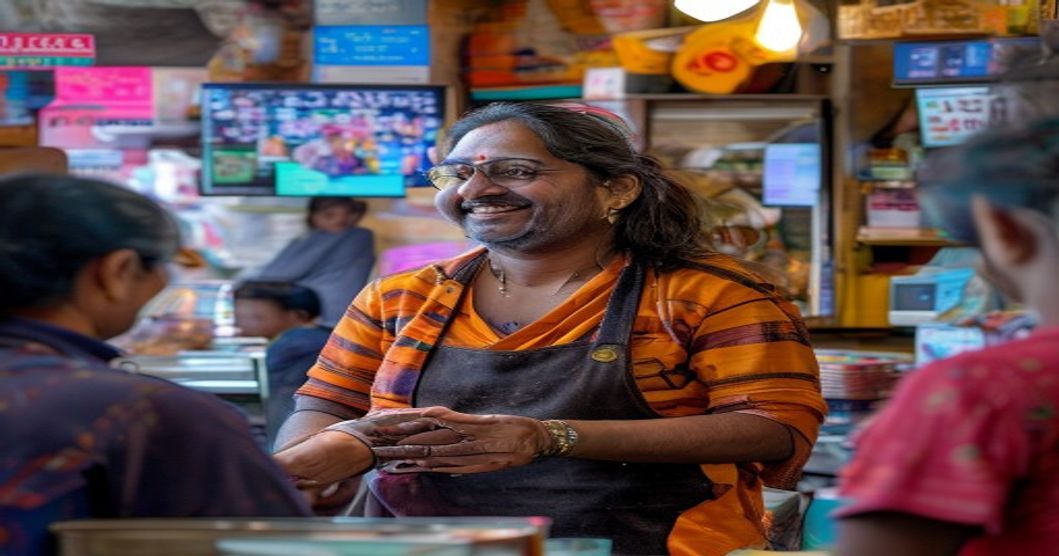
The Indian economic landscape is undergoing a remarkable transformation, with a powerful new growth engine emerging from beyond the traditional metropolitan hubs. As of May 2026, industry reports and anecdotal successes are painting a clear picture: Micro, Small, and Medium Enterprises (MSMEs) in India’s Tier 2 and Tier 3 cities are not just surviving, but thriving, driving unprecedented economic activity and employment. This surge is largely attributed to a strategic blend of digital adoption and an intensified focus on hyperlocal marketing strategies.
The Untapped Potential of Bharat's Emerging Cities
For decades, major metros like Mumbai, Delhi, and Bangalore have been the epicenters of India's economic growth. However, rapid internet penetration, improved infrastructure, and a burgeoning aspirational middle class in Tier 2 and Tier 3 cities have fundamentally shifted this dynamic. These cities, once considered secondary markets, are now vibrant hubs of consumption and entrepreneurship. Government initiatives promoting 'Vocal for Local' and 'Digital India' have further empowered local businesses, providing them with the tools and confidence to compete on a broader scale.
What makes these markets so compelling? A lower cost of operations, a strong sense of community, and a growing consumer base with increasing disposable incomes. This combination creates a fertile ground for MSMEs to flourish, but only if they can effectively reach and engage their local audiences. The challenge, and the opportunity, lies in bridging the gap between traditional business practices and modern marketing demands.
Why Hyperlocal Marketing is More Critical Than Ever
In the bustling streets of Lucknow, the tech-savvy populace of Coimbatore, or the cultural heart of Jaipur, MSMEs face a unique marketing imperative. They need to connect with customers living within a specific radius, understanding their local preferences, language nuances, and purchasing behaviors. Generic, broad-stroke advertising often misses the mark, leading to wasted resources and poor ROI.
Hyperlocal marketing is about precision. It’s about being present and relevant exactly where your potential customers are looking. For MSMEs in Tier 2 and Tier 3 cities, this means:
- Understanding Local Demographics: Tailoring products, services, and messages to specific community needs.
- Leveraging Local Search: Ensuring businesses are easily discoverable on online maps and local directories.
- Building Community Trust: Engaging with local events, sponsoring neighborhood initiatives, and fostering word-of-mouth referrals.
- Targeted Advertising: Reaching local consumers through channels they frequently interact with, both online and offline.
The shift towards hyperlocal isn't just a trend; it's a fundamental strategy for sustainable growth for businesses operating outside the metros. It allows them to carve out a niche, build strong customer loyalty, and withstand competition from larger national players.
Practical Strategies for MSMEs to Dominate Their Local Market
For MSMEs eyeing sustained growth in these dynamic markets, here are some actionable strategies:
1. Optimize for Local SEO and Online Presence: Ensure your Google My Business profile is complete and updated. Encourage customer reviews. Be present on local business directories and social media platforms popular in your region. Regularly post local content and updates.
2. Embrace Digital Payments and E-commerce Integration: While offline stores remain crucial, integrating digital payment solutions and offering online ordering or delivery services can significantly expand reach. Even a basic online catalog or WhatsApp Business integration can make a huge difference.
3. Community-Centric Content and Engagement: Create content that resonates with local interests, festivals, and news. Run contests or promotions specific to your neighborhood. Collaborate with other local businesses for cross-promotion.
4. Leverage Offline Touchpoints Strategically: Don’t underestimate the power of physical presence. Invest in appealing storefronts, offer in-store experiences, and use point-of-sale materials. This is where the digital and physical worlds truly converge for local businesses.
5. Utilize Data Analytics for Smarter Decisions: Track customer footfall, popular product categories, peak hours, and sales data. Use insights from loyalty programs or feedback forms to refine your offerings and marketing messages. The more you understand your local customer base, the better you can serve them.
6. Affordable, Measurable Local Advertising: Traditional mass media advertising is often out of budget for MSMEs. The focus should be on highly targeted, cost-effective advertising channels that provide clear metrics. This allows for optimization and ensures every rupee spent delivers value.
Success Story Spotlight: 'The Chai Junction' in Nashik
Consider 'The Chai Junction', a fictional but representative example of a successful MSME in Nashik. Starting as a single small tea stall, the owner, Priya Sharma, understood the local pulse. She invested in a vibrant, inviting space and built a strong online presence through Instagram, showcasing her unique tea blends and cozy ambiance. She actively engaged with local influencers and food bloggers, running contests specific to Nashik residents. More critically, she allocated a small portion of her marketing budget to highly localized digital screen advertising within nearby shops and cafes, offering QR-code-based discounts that led directly to her outlet. This multi-pronged, hyperlocal approach helped her expand to three branches within two years, becoming a beloved local brand.
The Future is Local and Connected
The growth story of MSMEs in Tier 2 and Tier 3 cities is a testament to India's entrepreneurial spirit and the evolving digital landscape. It highlights a critical shift: success is no longer solely about scale, but about relevance, connection, and precision. Businesses that master the art of hyperlocal marketing, blending digital savvy with authentic community engagement, are poised for remarkable success.
As Indian MSMEs in Tier 2 and 3 cities continue their impressive growth trajectory, the need for efficient, measurable, and localized advertising becomes paramount. Traditional methods often lack the precision and analytics required to truly understand ROI. For businesses looking to advertise effectively within these burgeoning local markets, connecting with consumers right where they shop, eat, and spend their time is a game-changer. Platforms like Adsmunch are at the forefront of this evolution, offering an automated hyperlocal offline advertising solution. By enabling brands to launch measurable ad campaigns on digital screens in local shops and cafes across India with full metrics like plays, scans, and CPA, Adsmunch empowers MSMEs to achieve targeted reach and unprecedented engagement without the complexities of traditional offline media. It's about bringing the precision of online advertising to the heart of local communities, driving real business growth with automation and data analytics, not just guesses.