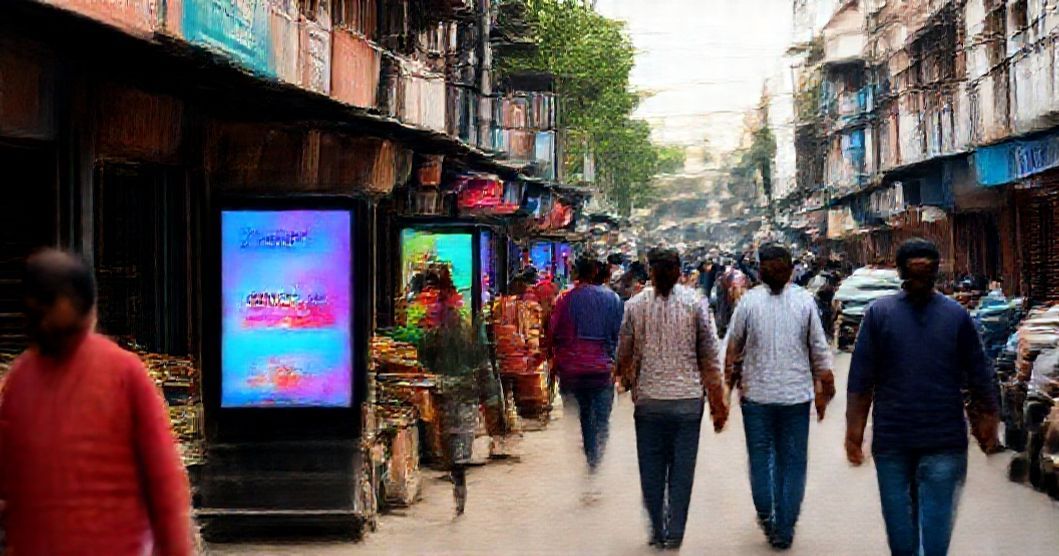
India is a land of incredible diversity, and its economic landscape is as varied as its cultures. For decades, the primary focus for brands seeking growth has largely been on metropolitan hubs like Mumbai, Delhi, and Bengaluru. However, as we stand in February 2026, a significant shift is not just underway but has firmly taken root: the burgeoning economic power and consumer appetite of India’s Tier-2 and Tier-3 cities. This evolution, coupled with the persistent 'Vocal for Local' ethos, is compelling brands to rethink their strategies, making hyperlocal advertising not just an option, but an imperative for sustainable growth and deeper market penetration.
The Shifting Sands of Indian Consumption
The narrative of Indian consumption is undergoing a profound transformation. What was once a trickle of aspirations in smaller towns has now become a powerful torrent of demand. Factors contributing to this shift include improved infrastructure, greater digital penetration, rising disposable incomes, and the decentralization of economic opportunities. Young professionals are increasingly finding lucrative careers in their hometowns, reducing the migration to metros and cultivating a vibrant local economy.
Consumers in Tier-2 and Tier-3 cities, while connected digitally, often exhibit unique purchasing behaviors and brand loyalties rooted in their immediate communities. They value trust, community recommendations, and a personalized approach over generic, mass-market messaging. A brand that understands these nuances and speaks their local language, both literally and figuratively, stands a far greater chance of success than one employing a one-size-fits-all national campaign.
Why Hyperlocal is No Longer Optional for Brands
In an age where consumers are bombarded with information, relevance is the ultimate currency. A national campaign, while reaching millions, often lacks the precision to resonate deeply with specific local audiences. Consider a brand promoting winter wear in Chennai during peak summer, or a regional snack brand trying to make inroads in a market with completely different culinary preferences. These are scenarios where broad-stroke marketing falters.
Hyperlocal strategies address this fundamental challenge by narrowing the focus to a specific geographic area, allowing brands to tailor their products, services, and messaging to the unique needs and cultural context of that locality. This approach fosters a stronger sense of connection, builds trust, and ultimately drives higher engagement and conversions. It’s about being present where your customers are, not just geographically, but also in their daily lives and decision-making processes.
Key Pillars of Effective Hyperlocal Marketing
To successfully navigate the complexities and capitalize on the opportunities presented by India's smaller cities, brands must embrace several key pillars:
1. Deep Local Understanding: This goes beyond demographics. It involves understanding local festivals, dialects, cultural sensitivities, purchasing habits, preferred payment methods, and even the local social dynamics. Field research, local partnerships, and data analytics are crucial here.
2. Leveraging Local Touchpoints: Kirana stores, local salons, neighborhood gyms, cafes, and community centers are the beating heart of these cities. Brands must identify and engage with these existing, trusted local ecosystems. Advertising within these spaces offers unparalleled proximity to the target audience.
3. Creating Relevant Messaging: Generic ads fall flat. Messaging must be crafted to speak directly to the local consumer, using references they understand, addressing problems they face, and celebrating aspects of their local identity. Think regional slang, local heroes, or references to nearby landmarks.
4. Measurable Local Impact: Unlike traditional offline advertising, modern hyperlocal strategies demand accountability. Brands need to track metrics that demonstrate real-world impact – footfall, local sales uplift, QR code scans, engagement with local offers, and cost-per-acquisition at a micro-level. This allows for optimization and proof of ROI.
Challenges and Opportunities in Reaching Tier-2/3 Markets
While the opportunities are vast, brands must also be prepared for certain challenges. The markets in Tier-2 and Tier-3 cities can be fragmented, requiring a more nuanced distribution and logistical approach. Additionally, reaching these diverse populations effectively can be complex without the right tools and strategies. However, these challenges are often outweighed by significant advantages:
- Lower Customer Acquisition Costs: Compared to fiercely competitive metros, customer acquisition can be more cost-effective.
- Higher Brand Loyalty: Consumers in smaller cities often exhibit greater loyalty to brands that genuinely connect with them.
- Untapped Potential: These markets represent significant untapped growth potential for many product categories.
- Strong Community Ties: Word-of-mouth marketing is incredibly powerful, amplifying local campaigns.
The Power of Offline Hyperlocal Presence
Despite the digital revolution, the physical world remains incredibly influential, especially in Tier-2 and Tier-3 cities where local shops and community hubs play a central role in daily life. Offline hyperlocal advertising, particularly through digital screens placed within these commercial spaces, offers a unique blend of high visibility and targeted reach. It captures consumers’ attention during their purchase journey or leisure time, right where decisions are being made. This isn't just about displaying an ad; it's about embedding a brand within the fabric of the local community, creating a tangible, memorable presence.
The ability to deliver dynamic content relevant to the time of day, local events, or specific consumer segments passing by a local shop provides a level of precision previously associated only with online advertising. This integration of technology with physical spaces is revolutionizing how brands think about local engagement, making offline marketing more intelligent, adaptable, and ultimately, more impactful.
Conclusion
The Indian market is dynamic, constantly evolving, and presenting new avenues for growth. The rise of Tier-2 and Tier-3 cities as economic powerhouses, combined with a reinforced 'Vocal for Local' sentiment, underscores the undeniable importance of hyperlocal strategies. Brands that strategically invest in understanding and engaging these local markets are not just expanding their reach; they are building deeper connections, fostering loyalty, and securing a sustainable future in India's diverse consumer landscape.
As Indian brands increasingly recognize the immense potential within Tier-2/3 cities and the necessity of true hyperlocal engagement, innovative advertising solutions become paramount. For businesses looking to advertise inside real physical commercial spaces across India, Adsmunch offers an automated, measurable, and engaging platform. By enabling brands to launch ad campaigns in minutes and providing full metrics like online ads (plays, scans, CPA, CPI, CPM), Adsmunch is redefining how offline advertising delivers measurable impact and genuine consumer engagement through automation and data analytics, without relying on AI for ad delivery. It’s an Indian solution for Indian businesses, bringing the precision and measurability of digital to the power of the physical world, making hyperlocal marketing accessible and effective for all.